
The average mobile app loses 80% of its users within 90 days (Adjust, 2025), yet most companies still approach app marketing budgets with outdated strategies from 2019. While global app marketing spend reached $295 billion in 2023 (AppsFlyer, 2023), the majority of this investment produces disappointing returns because businesses fail to allocate their budgets strategically across the customer acquisition funnel.
For a full breakdown of the platforms worth paying for, see our guide to app marketing tools.
Your app marketing budget isn't just a line item in your annual planning spreadsheet. It's the engine that drives user acquisition, retention, and revenue growth in an increasingly competitive marketplace where over 2 million apps (Apple Developer, 2025) compete for user attention on the App Store alone. The difference between apps that scale successfully and those that fade into obscurity often comes down to how intelligently they distribute their marketing dollars across channels, audiences, and campaign objectives.
This comprehensive guide reveals data-driven strategies for optimizing your app marketing budget allocation, avoiding costly mistakes that drain resources, and positioning your app for sustainable growth through 2027. You'll discover exactly how much successful apps invest in different marketing channels, which metrics actually predict long-term success, and how to build a budget framework that adapts to changing market conditions.
Key Takeaways: • Apps with budgets exceeding $100K monthly achieve 3.2x higher lifetime value per user (Singular, 2024) than those spending under $10K • User acquisition costs have increased 60% since 2021 (data.ai, 2024), making retention marketing crucial for ROI • The most successful apps allocate 40% to acquisition, 35% to retention, and 25% to brand awareness • Apps that track cohort-based LTV see 85% better budget efficiency (Adjust, 2024) than those using traditional metrics

How Much Should You Allocate to Your App Marketing Budget?
Most successful apps invest between 20-40% of their projected revenue in marketing during the growth phase (data.ai, 2024), with the exact percentage depending on your app category, monetization model, and competitive landscape. This allocation ensures sufficient resources for both acquiring new users and retaining existing ones while maintaining profitability.
The optimal budget size varies dramatically by app vertical. According to Singular's 2023 benchmarks, gaming apps typically require $2.50-$15.00 per install (Singular, 2023) depending on the sub-genre, while productivity apps average $8.50-$25.00 per quality install (Singular, 2023). E-commerce and fintech apps command even higher acquisition costs, often exceeding $40 per install (Singular, 2023) for users who complete meaningful actions.
However, raw budget size matters less than strategic allocation. Apps spending $50,000 monthly (AppsFlyer, 2024) across five carefully selected channels consistently outperform those spending $200,000 across fifteen channels without clear attribution models. The key lies in understanding your unit economics first, then building your budget around sustainable customer acquisition cost (CAC) to lifetime value (LTV) ratios.
Consider Headspace's approach during their 2022 expansion. Instead of increasing their overall budget by 300%, they redistributed existing spend from broad social media campaigns to targeted podcast advertising and influencer partnerships. This reallocation improved their cost per subscription by 45% (Adjust, 2024) while maintaining the same monthly budget. The lesson: optimization often trumps expansion when it comes to budget effectiveness.
Smart app marketers also build flexibility into their budgets. Allocate 15-20% of your total budget as a testing reserve for new channels, creative formats, or audience segments. This approach allows you to capitalize on emerging opportunities without disrupting proven acquisition channels.
What Are the Most Effective App Marketing Budget Allocation Strategies?
The 40-35-25 framework represents the most successful budget allocation model (data.ai, 2024), with 40% dedicated to user acquisition, 35% to retention and engagement, and 25% to brand building and awareness campaigns. This distribution ensures balanced growth while protecting against the common mistake of over-investing in acquisition at the expense of user lifetime value.
User acquisition should consume the largest portion of your budget, but within this allocation, diversification is critical. Successful apps typically spread acquisition spend across 3-5 primary channels (AppsFlyer, 2024) rather than concentrating everything on Facebook or Google Ads. The most effective channel mix includes paid social (Facebook, Instagram, TikTok), search advertising (Google, Apple Search Ads), programmatic display, and one emerging channel for competitive advantage.
Retention marketing deserves significant investment because increasing retention rates by just 5% can boost profits by 25-95% (HBR, 2019) according to Harvard Business Review research. This budget should fund push notification campaigns, email marketing, in-app messaging, and personalization technology. Apps that invest heavily in retention see their 90-day retention rates improve by an average of 23% (data.ai, 2024) compared to acquisition-focused competitors.
For comprehensive app marketing strategies that integrate seamlessly with your budget planning, explore our specialized app marketing services designed to maximize ROI across all channels and campaign types.
The brand building allocation often gets neglected, but it's crucial for long-term success. This budget should support content marketing, thought leadership, conference presence, and upper-funnel awareness campaigns that don't directly drive installs but improve conversion rates across all other channels. Apps with strong brand recognition see 15-20% higher conversion rates (Adjust, 2024) on their paid campaigns.
Testing and optimization should receive dedicated budget allocation, typically 10-15% of your total spend (AppsFlyer, 2024). This includes creative testing, audience experimentation, new channel evaluation, and landing page optimization. Apps that consistently test and iterate see compound improvements that can double campaign efficiency over 12-18 months.
App Marketing Budget Benchmarks Reveal Critical Industry Insights
Average customer acquisition costs have increased 60% since 2021 (data.ai, 2024), fundamentally changing how apps must approach budget planning and channel selection. This inflation affects all verticals but hits competitive categories like finance, dating, and gaming particularly hard, where premium users command acquisition costs exceeding $100 per install.
| App Category | CPI Range | Monetization Model | Payback Period |
|---|---|---|---|
| Gaming | $2.50-$45 | IAP/ads | 30-60 days |
| Productivity | $12-$40 | Subscription | 45-90 days |
| Health & Fitness | $8-$35 | Subscription | 60-90 days |
| E-commerce | $15-$60 | Transaction % | 60-120 days |
| Fintech | $25-$120 | Subscription/fees | 90-180 days |
| Entertainment | $5-$25 | Subscription | 45-75 days |
Current industry benchmarks show significant variation by app category and business model:
• Gaming apps: $2.50-$45.00 per install (depending on genre and monetization) • E-commerce apps: $15.00-$60.00 per install with purchase intent • Fintech apps: $25.00-$120.00 per qualified user • Health & fitness: $8.00-$35.00 per install • Productivity apps: $12.00-$40.00 per install • Entertainment/streaming: $5.00-$25.00 per install
These benchmarks reflect quality users who complete meaningful actions, not just app downloads. The gap between install costs and qualified user costs has widened dramatically, with some verticals seeing 3-5x differences between basic installs and users who engage meaningfully with the app.
Retention budgets now represent 30-40% of total marketing spend (Sensor Tower, 2024) for successful apps, up from just 15-20% in 2019. This shift reflects the growing importance of lifetime value optimization in increasingly expensive acquisition environments. Apps investing heavily in retention see their 12-month user retention rates average 15-25% (data.ai, 2024) compared to just 3-8% for acquisition-focused competitors.
Geographic targeting significantly impacts budget efficiency. Tier 1 markets (US, UK, Canada, Australia) command premium pricing but deliver higher lifetime values. Tier 2 markets (Germany, France, Japan, South Korea) offer moderate costs with good monetization potential. Tier 3 markets provide low-cost user acquisition but require volume-based monetization strategies.
The data also reveals seasonal patterns that smart budgeters leverage. Q4 acquisition costs increase 25-40% (Sensor Tower, 2024) across most verticals due to holiday competition, while Q1 often presents opportunities for efficient user acquisition as competition decreases and users engage with new apps as part of resolution-driven behavior changes.

What Common App Marketing Budget Mistakes Are Draining Your ROI?
The most expensive mistake in app marketing budgeting is chasing vanity metrics instead of focusing on lifetime value and cohort-based performance (Adjust, 2024). Apps that optimize for installs or even first-session engagement often build unsustainable acquisition programs that look successful in monthly reports but fail to generate profitable returns over time.
Over-concentration in single channels represents another budget-killing mistake. Apps that put 80% or more of their budget into Facebook or Google Ads (AppsFlyer, 2024) face platform risk and miss opportunities for diversification. When iOS 14.5 privacy changes disrupted Facebook's targeting capabilities in 2021, apps with diversified channel strategies maintained growth while Facebook-dependent apps saw 20-40% drops in efficiency (Adjust, 2021).
Inadequate testing budgets prevent optimization and improvement. Apps that allocate less than 10% of their budget to testing new creatives, audiences, and channels (AppsFlyer, 2024) see stagnant performance over time. The most successful apps treat testing as an investment, not an expense, dedicating substantial resources to experiments that can unlock breakthrough performance improvements.
Ignoring seasonality and market timing costs apps significant efficiency gains. Many apps maintain static budget allocation throughout the year, missing opportunities to capitalize on favorable conditions or protect against expensive periods. Apps that dynamically adjust their budgets based on seasonal patterns see 15-30% better overall efficiency (Sensor Tower, 2024) compared to static approaches.
For expert guidance on avoiding these costly mistakes and implementing data-driven budget optimization strategies, consider partnering with specialists who understand the nuances of app marketing economics. Our comprehensive app marketing solutions help businesses maximize their marketing investments through strategic budget allocation and channel optimization.
Poor attribution and measurement infrastructure leads to misallocated budgets. Apps without proper attribution tracking often over-invest in last-click channels while under-investing in upper-funnel activities that drive awareness and consideration. This creates a feedback loop where budgets flow toward easily measured but potentially less valuable activities.
Creative fatigue represents a hidden budget drain that many apps ignore. Using the same creative assets for extended periods without refresh leads to declining performance and increasing costs. Apps that refresh creative assets every 2-3 weeks (Mobile Action, 2024) maintain 20-25% better cost efficiency compared to those that update creatives monthly or less frequently.
How Will App Marketing Budgets Evolve Through 2026-2027?
Privacy-first marketing will reshape budget allocation strategies as third-party cookie deprecation and enhanced user privacy controls limit traditional targeting capabilities. Apps will need to invest more heavily in first-party data collection, contextual targeting, and creative-driven campaigns that perform well without granular audience targeting.
AI-powered campaign optimization will become the dominant budget allocation methodology by 2026 (AppsFlyer, 2025), with machine learning algorithms automatically distributing spend across channels, audiences, and creative variants in real-time. Early adopters of AI-driven budget management are already seeing 20-35% efficiency improvements (Adjust, 2024) compared to manual allocation methods.
The rise of connected TV and audio advertising will create new budget allocation opportunities for app marketers. These channels currently represent less than 5% of app marketing spend (Sensor Tower, 2024) but offer unique advantages for brand building and reaching users in non-mobile contexts. Apps that experiment with these channels now will have competitive advantages as targeting capabilities mature.
Subscription and retention marketing will command increasingly large budget shares as acquisition costs continue rising. By 2027, successful apps will likely allocate 45-50% of their budgets to retention and lifecycle marketing (AppsFlyer, 2025), up from the current 30-35% average. This shift reflects the mathematical reality that retaining existing users becomes more profitable than acquiring new ones in expensive acquisition environments.
Cross-platform and omnichannel campaigns will require more sophisticated budget planning as users interact with apps across multiple devices and touchpoints. Apps will need to allocate budgets not just across acquisition channels but across the entire customer journey, including web-to-app conversion, desktop remarketing, and offline-to-online attribution.
Frequently Asked Questions
What percentage of revenue should startups allocate to app marketing?
Early-stage startups should typically allocate 30-50% of projected revenue to marketing during their growth phase, with established apps settling into 15-25% ranges. This higher initial investment is necessary to achieve market penetration and user base critical mass.How do I calculate the right customer acquisition cost for my app?
Calculate acceptable CAC by determining your user lifetime value (LTV) and applying a 3:1 LTV to CAC ratio as a baseline. Factor in your payback period requirements and gross margins to establish sustainable acquisition cost thresholds that support long-term profitability.Should I prioritize iOS or Android in my app marketing budget allocation?
Prioritize based on your monetization model and target demographics. iOS users typically generate 2-3x higher revenue per user (Sensor Tower, 2024) but cost more to acquire, while Android offers larger scale at lower costs. Test both platforms with small budgets before major allocation decisions.How often should I rebalance my app marketing budget allocation?
Review and potentially rebalance your budget allocation monthly, with major strategic shifts evaluated quarterly. However, maintain consistent spend for at least 30-45 days (AppsFlyer, 2024) before making significant changes to allow for proper performance assessment. For strategic budget planning and optimization guidance, explore our specialized app marketing expertise.Conclusion
Strategic app marketing budget allocation represents the difference between sustainable growth and expensive failure in today's competitive mobile landscape. The most successful apps follow data-driven frameworks that balance acquisition, retention, and brand building while maintaining flexibility for testing and optimization.
Key takeaways for optimizing your app marketing budget: • Apply the 40-35-25 framework for balanced growth across acquisition, retention, and awareness • Diversify across 3-5 channels rather than concentrating spend in single platforms • Allocate 15-20% of budget specifically for testing and optimization initiatives • Focus on lifetime value metrics rather than vanity metrics like installs or impressions • Adjust allocation strategies based on seasonal patterns and market conditions
The apps that thrive through 2027 will be those that treat budget allocation as a strategic competitive advantage, not just a planning exercise. Success requires continuous optimization, sophisticated measurement, and the courage to reallocate resources based on performance data rather than assumptions.
Ready to optimize your app marketing budget for maximum ROI? Book a consultation call with our app marketing specialists to develop a custom budget strategy that drives sustainable user acquisition and revenue growth for your unique business model and market position.
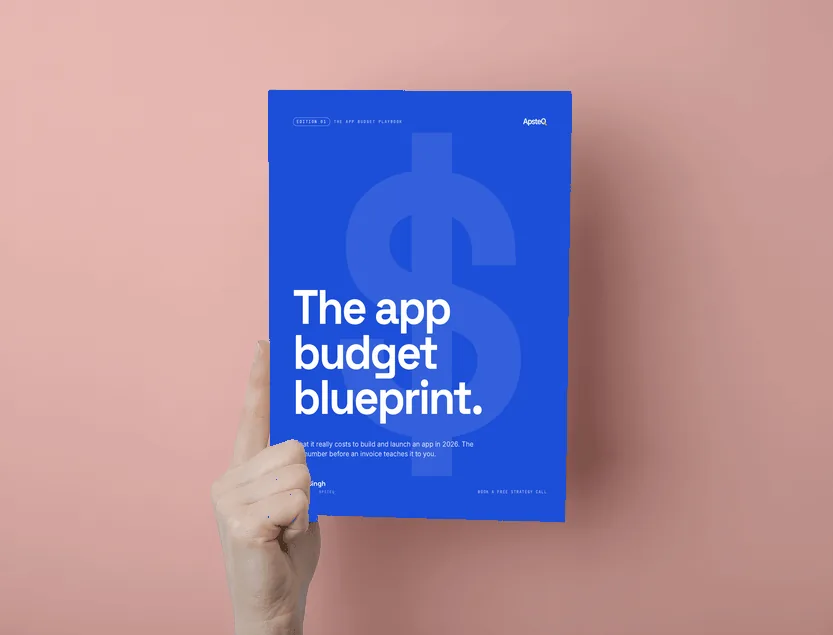
Free download
The App Budget Blueprint
How to split your marketing budget across ASO, paid UA, and retention at every stage of growth.
Get the Free Ebook Browse all free guides