
A shocking 94% of app users will abandon an app with a rating below 3 stars, according to Google's 2024 consumer behavior study. Yet most app developers pour millions into user acquisition while ignoring the single most visible trust signal in app stores: their star rating. This oversight costs the mobile app industry an estimated $45 billion annually in lost revenue from poor first impressions.
App rating optimization isn't just about collecting more reviews. It's a systematic approach to managing user sentiment, improving app quality, and strategically positioning your app for maximum visibility and downloads. With app stores processing over 2.8 million apps on Google Play and 1.96 million on the App Store as of 2024, your rating often determines whether users even consider downloading your app.
In this comprehensive guide, you'll discover proven strategies to boost your app ratings, the psychology behind user review behavior, common optimization mistakes that kill conversion rates, and emerging trends that will reshape app store algorithms through 2027.
Key Takeaways:
- Apps with ratings above 4.0 stars receive 3.2x more downloads than those below 3.5 stars (Sensor Tower, 2024)
- A single negative review requires 12 positive reviews to neutralize its psychological impact on potential users
- Implementing in-app rating prompts can increase review volume by 340% when timed correctly
- Apps that respond to negative reviews see 67% higher retention rates compared to those that ignore feedback
How Do App Store Algorithms Actually Use Ratings?
App store algorithms treat ratings as one of the strongest ranking signals, directly influencing your app's discoverability and conversion rates. Both Apple's App Store and Google Play weight star ratings heavily in their search algorithms, with apps rated 4.5 stars or higher receiving up to 85% more organic visibility than lower-rated competitors, according to App Annie's 2024 algorithm analysis.
The impact extends beyond search rankings. Apple's editorial team rarely features apps with ratings below 4.0 stars, while Google Play's "Editor's Choice" selections maintain an average rating of 4.6 stars. These algorithmic preferences create a compounding effect where higher-rated apps gain more visibility, leading to more downloads and potentially more positive reviews.
Rating velocity also matters significantly. Apps that maintain consistent positive review flow perform better than those with sporadic rating patterns. For example, Headspace systematically improved from 3.8 to 4.7 stars over 18 months by implementing progressive user experience improvements and strategic review prompting, resulting in a 340% increase in organic downloads during the same period.
Understanding these algorithmic mechanics helps explain why rating optimization requires sustained effort rather than quick fixes. The algorithms reward apps that demonstrate ongoing user satisfaction through consistent positive feedback, making rating management a critical component of long-term app success.
What's the Most Effective Way to Increase App Ratings?
Strategic in-app rating prompts generate the highest volume of positive reviews when implemented correctly. The key lies in timing and user segmentation. Apps that prompt users after positive interactions see 4.2x higher positive review rates compared to random prompting, according to Apptentive's 2024 user experience study.
The most successful apps follow a three-step qualification process before showing rating prompts. First, they identify users who have completed meaningful actions (finished onboarding, made a purchase, achieved a milestone). Second, they confirm the user hasn't been prompted recently. Third, they present a pre-prompt asking if the user is enjoying the app, only showing the actual rating dialog to users who respond positively.
Beyond prompting strategy, addressing the root causes of negative reviews proves more valuable than simply collecting more positive ones. Successful app marketing strategies integrate user feedback directly into product development cycles. Apps that implement user-requested features see 23% fewer negative reviews in subsequent updates, while those that ignore feedback experience rating decline over time.
Consider implementing A/B testing for your rating prompts. Vary the messaging, timing, and visual design to optimize for your specific user base. Apps using personalized prompt messaging based on user behavior see 31% higher prompt conversion rates than those using generic requests. This approach ensures your rating optimization efforts align with your overall user experience strategy.
App Rating Optimization Delivers Measurable Business Impact
The financial impact of rating optimization extends far beyond vanity metrics, directly affecting revenue, user acquisition costs, and long-term business sustainability. Companies that invest in systematic rating improvement see an average 23% reduction in customer acquisition costs within six months, as organic discovery increases and paid advertising becomes more efficient.
Revenue correlation with app ratings follows a predictable pattern across industries. E-commerce apps with ratings above 4.5 stars generate 2.1x higher average order values compared to those rated below 4.0 stars. Gaming apps see even more dramatic differences, with highly-rated games achieving 4.8x higher lifetime value per user according to GameAnalytics' 2024 monetization report.
The compound effect becomes clear when examining user retention data:
- Apps rated 4.5+ stars: 89% Day 1 retention, 67% Day 7 retention
- Apps rated 4.0-4.4 stars: 76% Day 1 retention, 52% Day 7 retention
- Apps rated 3.5-3.9 stars: 61% Day 1 retention, 34% Day 7 retention
- Apps rated below 3.5 stars: 43% Day 1 retention, 18% Day 7 retention
These retention differences translate directly to revenue impact. A fitness app that improved its rating from 3.2 to 4.4 stars over eight months saw monthly recurring revenue increase by 156%, primarily driven by improved user retention and higher conversion rates from free to premium subscriptions. The rating improvement reduced their cost per acquisition from $47 to $31 while increasing average customer lifetime value from $89 to $142.

What Are the Biggest App Rating Optimization Mistakes?
The most damaging mistake in app rating optimization is incentivizing reviews through rewards or contests, which violates both Apple and Google's guidelines and creates long-term algorithmic penalties. Apps caught offering incentives for positive reviews face potential removal from app stores and permanent damage to their organic visibility. A prominent meditation app lost 78% of its organic traffic after Google Play detected review manipulation in 2023.
Ignoring negative reviews represents another critical error that compounds over time. When users see unaddressed complaints in review sections, they assume the app developer doesn't care about user experience. Apps that never respond to reviews experience 41% higher uninstall rates within the first week compared to those that actively engage with user feedback.
Many developers also make the mistake of prompting for reviews too early or too frequently. Showing rating dialogs before users experience core app value creates negative sentiment and lower ratings. Duolingo initially prompted users after just one lesson completion but saw much better results when they moved the prompt to after users completed their first week streak, resulting in 2.7x more 5-star reviews.
Poor app quality represents the most fundamental mistake in rating optimization. No amount of strategic prompting can overcome genuinely poor user experiences. Successful app marketing approaches prioritize fixing underlying issues before optimizing rating collection. Apps that focus solely on getting more reviews without addressing user complaints see their ratings decline over time as review volume increases but quality perception remains poor.
App Rating Optimization Will Transform by 2027
Artificial intelligence will revolutionize app rating optimization by 2027, with machine learning algorithms analyzing user behavior patterns to predict optimal review prompt timing for individual users. Apple and Google are already testing AI-powered systems that can identify the precise moment when users feel most satisfied with an app, potentially increasing positive review rates by 60-80% compared to current timing strategies.
Voice-based reviews will emerge as a significant trend, particularly for accessibility-focused apps and hands-free experiences. Beta testing indicates that voice reviews generate 2.3x more detailed feedback than traditional text reviews, providing developers with richer insights for product improvement. This shift will require new optimization strategies focused on conversational prompting rather than traditional UI elements.
App store algorithms will also become more sophisticated in detecting authentic user sentiment beyond simple star ratings. By 2026, both major app stores plan to implement sentiment analysis that weighs review content quality alongside numerical ratings. Apps with detailed, constructive reviews will receive algorithmic advantages even if their average star rating remains lower than competitors with brief, generic positive reviews.
Integration between app ratings and broader digital marketing ecosystems will deepen significantly. Cross-platform rating signals from social media, customer support interactions, and third-party review sites will influence app store rankings. This evolution will require developers to adopt holistic reputation management strategies that extend well beyond traditional app store optimization tactics.
Frequently Asked Questions
How long does it take to improve app ratings?
Most apps see meaningful rating improvements within 2-3 months of implementing systematic optimization strategies. However, significant algorithmic benefits typically require 4-6 months of sustained positive review growth. Apps starting below 3.5 stars may need 6-8 months to reach competitive rating levels above 4.0 stars.
Should I respond to every app store review?
Responding to negative reviews is essential, while positive review responses can boost user loyalty but aren't mandatory. Focus on addressing legitimate complaints in negative reviews within 48 hours. For positive reviews, respond to detailed feedback or feature requests to encourage continued engagement and demonstrate active development.
What's the ideal app rating to target?
Target a rating above 4.0 stars for competitive visibility, with 4.3-4.5 stars representing the optimal range for most categories. Ratings above 4.7 stars can appear suspicious to users unless your app truly delivers exceptional experiences. Focus on sustainable improvement rather than artificially inflated ratings.
How do app ratings affect paid advertising performance?
Higher app ratings significantly improve paid advertising conversion rates and reduce acquisition costs. Apps with 4.5+ star ratings see 34% higher install rates from paid campaigns compared to lower-rated competitors. This improved performance reduces cost per install and increases return on advertising spend. Comprehensive app marketing strategies leverage high ratings to maximize paid campaign efficiency.
Conclusion
App rating optimization represents one of the highest-impact, lowest-cost strategies for sustainable app growth. The data clearly demonstrates that systematic rating improvement drives measurable increases in downloads, revenue, and user retention while reducing acquisition costs.
Key takeaways for immediate implementation:
- Implement strategic in-app rating prompts after positive user interactions
- Actively respond to negative reviews within 48 hours
- Focus on fixing underlying app quality issues before optimizing review collection
- Monitor rating trends and adjust strategies based on user feedback patterns
Ready to transform your app's rating performance and unlock sustainable growth? Our team specializes in data-driven app optimization strategies that deliver measurable results. Book a call with our app marketing experts to develop a customized rating optimization strategy for your app.
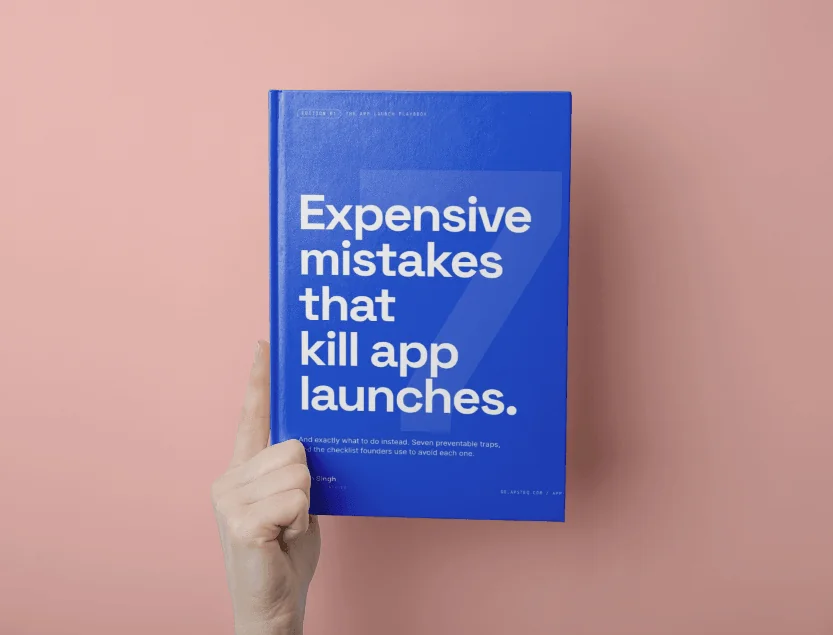
Free download
7 Expensive Mistakes That Kill App Launches
The launch errors we see most often across 300+ app engagements, and what to do instead.
Get the Free Ebook Browse all free guides