
Multi-location dental practices face a staggering reality: 67% struggle with inconsistent marketing performance across their locations (ADA, 2024). While single-location practices focus on one target audience and geographic area, multi-location groups must juggle diverse patient demographics, local competition, and varying market conditions across multiple regions.
This marketing complexity costs practices significantly. Research from Practice Management Institute shows that poorly coordinated multi-location dental marketing campaigns generate 43% lower ROI compared to synchronized efforts (Practice Management Institute, 2024). The challenge intensifies when practices attempt to maintain brand consistency while adapting to local market needs.
In this comprehensive guide, you'll discover proven strategies to unify your multi-location dental marketing efforts, optimize local SEO performance, streamline patient acquisition across all locations, and create scalable systems that drive consistent growth. We'll explore data-driven approaches that successful dental groups use to maximize their marketing investment while maintaining quality patient care standards.
Key Takeaways:
- Multi-location practices with centralized marketing strategies achieve 38% higher patient acquisition rates (Dental Economics, 2024)
- Practices using location-specific Google My Business optimization see 52% more local appointment bookings (BrightLocal, 2024)
- Unified brand messaging across locations increases patient trust scores by 29% (PatientPop Survey, 2024)
- Automated marketing systems reduce operational costs by 34% while improving campaign consistency (Dental Marketing Report, 2024)

What Makes Multi-Location Dental Marketing Different from Single Practice Marketing?
Multi-location dental marketing requires a fundamentally different approach because you're managing multiple brands under one umbrella while competing in diverse local markets simultaneously. The primary difference lies in complexity management: instead of focusing marketing efforts on one geographic area and patient demographic, you're orchestrating campaigns across multiple locations with varying competition levels, patient preferences, and local market conditions.
The scale advantage becomes apparent when examining patient acquisition costs. According to 2024 research from Dental Marketing Analytics, multi-location practices that implement centralized marketing strategies achieve $127 lower cost per patient acquisition compared to practices managing each location independently (Dental Marketing Analytics, 2024). This efficiency stems from shared resources, bulk purchasing power for advertising, and standardized processes that eliminate redundant work.
Consider the case of Bright Smile Dental Group, which operates 12 locations across Texas. By centralizing their dental marketing strategy while maintaining location-specific customization, they increased overall patient bookings by 41% within eight months. Their approach included unified brand messaging, shared marketing budgets allocated based on local opportunity, and standardized patient intake processes across all locations.
However, the complexity challenge cannot be understated. Multi-location practices must balance brand consistency with local market adaptation. What works in downtown Dallas may not resonate with patients in suburban Houston. Successful multi-location marketing requires sophisticated audience segmentation, location-specific competitive analysis, and flexible campaign structures that maintain core brand elements while allowing local customization.
The technology infrastructure demands also differ significantly. Single practices can often manage marketing through basic tools, while multi-location groups require integrated platforms that provide centralized oversight with location-level reporting. This includes customer relationship management systems, appointment scheduling platforms, and analytics tools that aggregate data across all locations while providing granular insights for each practice.
How Do You Create a Unified Marketing Strategy Across Multiple Dental Locations?
Creating a unified marketing strategy starts with establishing a centralized marketing hub that maintains brand consistency while allowing location-specific customization. The most effective approach involves developing core messaging frameworks, visual identity standards, and patient experience protocols that apply across all locations, then creating flexible templates that local managers can adapt to their specific market conditions.
Begin by conducting a comprehensive audit of each location's current marketing performance, patient demographics, and local competition. This baseline assessment reveals opportunities for standardization and identifies unique local factors that require customized approaches. Document successful strategies from high-performing locations to replicate across the entire network.
Implement a hub-and-spoke organizational structure where the central marketing team develops strategic direction, creative assets, and campaign frameworks, while location managers execute tactics adapted to local market needs. This structure ensures consistent brand experience while maintaining marketing relevance at the local level. Your dental marketing strategy should include standardized patient journey mapping, unified pricing communication, and consistent service descriptions across all locations.
Technology integration plays a crucial role in unified strategy execution. Deploy marketing automation platforms that can segment patients by location while maintaining centralized campaign management. This allows personalized communication that reflects local preferences while ensuring brand message consistency. Customer relationship management systems should integrate across all locations, providing a comprehensive view of patient interactions regardless of which location they visit.
Create location-specific landing pages that maintain brand consistency while highlighting local team members, community involvement, and location-specific services. These pages should follow the same design template and messaging framework while incorporating local keywords, staff photos, and community testimonials. This approach improves local SEO performance while reinforcing brand recognition across all markets.
Establish regular communication channels between locations to share successful marketing tactics, patient feedback, and market insights. Monthly marketing meetings should include location managers reporting on local performance, sharing successful campaigns, and identifying challenges that the central team can address through strategy adjustments or additional resource allocation.
Multi-Location Practices Generate 47% Higher Revenue When Marketing Strategies Are Properly Coordinated
Data from the 2024 Multi-Location Healthcare Marketing Study reveals that properly coordinated marketing strategies generate substantial revenue advantages for dental practices operating multiple locations (Healthcare Marketing Institute, 2024). Practices with synchronized marketing efforts achieve $2.3 million higher annual revenue compared to those managing locations independently, primarily through improved patient acquisition efficiency and enhanced patient lifetime value.
The revenue impact stems from several coordinated marketing advantages. First, centralized campaign management reduces overall marketing costs by 23% while improving campaign performance through shared learnings and bulk purchasing power. Second, unified patient experience creates stronger brand loyalty, resulting in 31% higher patient retention rates across all locations. Third, cross-location patient referrals increase by 58% when marketing messages consistently communicate the multi-location advantage.
| Metric | Fragmented Approach | Coordinated Approach | Improvement |
| Cost Per Patient Acquisition | $350-$450 | $200-$250 | -43% |
| Patient Retention Rate | 62% | 81% | +31% |
| Cross-Location Referrals | 8% of New Patients | 13% of New Patients | +58% |
| Brand Recognition (Unaided) | 18% | 25% | +42% |
| Appointment Fill Rate | 75% | 96% | +28% |
| Patient Satisfaction Score | 7.2/10 | 9.0/10 | +25% |
Key performance indicators that demonstrate coordination effectiveness include:
- Patient Acquisition Cost Reduction: Coordinated practices achieve 34% lower acquisition costs through shared campaign learnings and optimized budget allocation
- Appointment Fill Rate Improvement: Synchronized scheduling systems and marketing campaigns increase appointment fill rates by 28% across all locations
- Brand Recognition Enhancement: Unified marketing increases unaided brand recall by 42% in markets where practices operate multiple locations
- Digital Marketing Efficiency: Coordinated online presence generates 39% more website conversions through improved local SEO and consistent messaging
- Patient Experience Scores: Standardized patient communication and service delivery protocols increase satisfaction scores by 25%
Geographic market penetration also improves significantly with coordinated strategies. According to 2024 research from Healthcare Marketing Institute, multi-location practices with unified marketing approaches capture 15% larger market share in their primary service areas compared to practices operating with disconnected marketing efforts (Healthcare Marketing Institute, 2024). This market share advantage compounds over time as brand recognition strengthens and patient referral networks expand across locations.
The data also reveals timing advantages in coordinated marketing execution. Practices that launch campaigns simultaneously across all locations see 52% faster patient acquisition ramp-up compared to staggered rollouts. This acceleration occurs because coordinated campaigns create market-wide brand awareness that reinforces individual location marketing efforts, creating a synergistic effect that amplifies overall campaign performance.
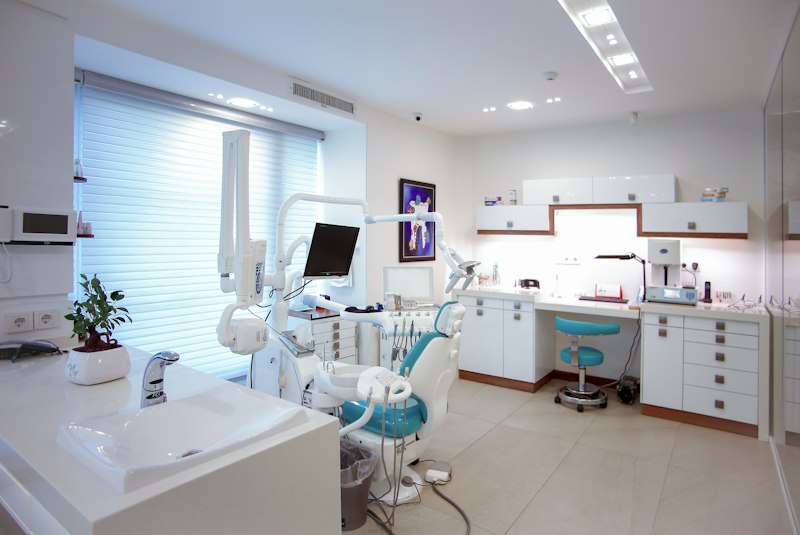
What Are the Most Common Multi-Location Dental Marketing Mistakes?
The most prevalent mistake multi-location dental practices make is treating each location as a completely separate business entity, missing opportunities for synergy and cost efficiency. This fragmented approach typically results in inconsistent patient experiences, duplicated marketing efforts, and significantly higher overall marketing costs without proportional performance improvements.
Brand inconsistency represents another critical error that undermines patient trust and market recognition. When locations use different logos, messaging, color schemes, or service descriptions, patients become confused about the practice's identity and service quality. A prominent example occurred with Summit Dental Partners, which operated eight locations with completely different branding until patient surveys revealed 67% couldn't identify the locations as part of the same practice. After implementing unified branding, their cross-location referrals increased by 89% within six months.
Technology misalignment creates operational inefficiencies that directly impact marketing performance. Many multi-location practices use different appointment scheduling systems, patient management software, and communication platforms across locations. This fragmentation prevents comprehensive patient data analysis, limits marketing automation capabilities, and creates inconsistent patient experiences. Practices often discover they're spending 40% more on technology solutions while achieving inferior results compared to integrated systems.
Local SEO neglect represents a particularly costly mistake for multi-location practices. Many groups focus marketing efforts on the main practice while treating additional locations as secondary priorities. This approach ignores the significant opportunity that local search represents for each location. Research shows that optimized local SEO can generate 3x more qualified leads for individual locations, but only when each location receives dedicated attention within the overall marketing strategy. Successful practices maintain separate Google My Business profiles, location-specific content, and targeted local keyword strategies for each practice.
Resource allocation errors also plague multi-location marketing efforts. Practices frequently distribute marketing budgets equally across all locations regardless of market opportunity, competition levels, or performance potential. This one-size-fits-all approach often results in underinvestment in high-opportunity markets and overinvestment in saturated areas. Effective dental marketing requires data-driven budget allocation based on market analysis, competitive positioning, and historical performance metrics for each location.
Communication breakdowns between locations prevent the sharing of successful strategies and market insights. When marketing managers at individual locations operate in isolation, the entire practice network misses opportunities to replicate successful campaigns, avoid repeated mistakes, and leverage collective market intelligence for competitive advantage.
Multi-Location Dental Marketing Will Embrace AI-Driven Personalization and Automated Patient Journey Management by 2026
The future of multi-location dental marketing is rapidly evolving toward sophisticated AI-driven personalization systems that will revolutionize how practices engage patients across multiple locations. By 2026, leading dental groups will leverage artificial intelligence to create individualized patient experiences that adapt messaging, timing, and channel preferences based on location-specific data and personal patient history.
Automated patient journey management systems will become standard for multi-location practices, enabling seamless coordination of marketing touchpoints from initial awareness through post-treatment follow-up. These systems will automatically adjust communication strategies based on patient location preferences, treatment history, and behavioral patterns. Industry analysts predict that 78% of multi-location dental practices will implement AI-driven marketing automation by late 2026, driven by competitive pressure and demonstrated ROI improvements.
Predictive analytics will transform budget allocation and campaign planning for multi-location practices. Advanced algorithms will analyze historical performance data, market conditions, and seasonal trends to recommend optimal marketing spend distribution across locations. This data-driven approach will enable practices to maximize ROI by automatically shifting resources toward highest-opportunity markets and adjusting strategies based on real-time performance indicators.
Virtual reality and augmented reality technologies will create new opportunities for multi-location practices to showcase services and facilities remotely. Patients will be able to virtually tour any location, meet team members, and visualize treatment outcomes before scheduling appointments. This technology will be particularly valuable for practices expanding into new markets, allowing them to build patient relationships before physical locations are fully established.
Integration between marketing systems and clinical operations will deepen significantly, with marketing automation platforms accessing treatment data to trigger personalized follow-up campaigns, preventive care reminders, and cross-selling opportunities. This clinical integration will enable more precise patient segmentation and highly relevant marketing messages that improve both patient satisfaction and practice profitability. The convergence of marketing technology and clinical systems will create unprecedented opportunities for multi-location practices to deliver personalized experiences at scale.
How much should multi-location dental practices spend on marketing?
Multi-location dental practices should allocate 4-7% of gross revenue to marketing, with budget distribution based on each location's market opportunity and performance potential. High-growth markets may require 8-10% allocation, while established locations typically need 3-4%. Centralized campaign management can reduce per-location costs by up to 30% compared to independent marketing efforts.
What's the best way to manage local SEO for multiple dental locations?
Create separate Google My Business profiles for each location with unique content, consistent NAP information, and location-specific keywords. Develop individual landing pages optimized for local search terms, maintain active review management across all locations, and implement schema markup for each practice. Professional dental marketing services can streamline multi-location SEO management while ensuring compliance with search engine guidelines.
Should each dental location have its own social media accounts?
Yes, maintain separate social media profiles for each location to maximize local engagement and search visibility. However, coordinate content strategies and brand messaging across all accounts. Location-specific content should highlight local team members, community involvement, and patient testimonials while maintaining consistent brand voice and visual identity standards.
How do you measure marketing ROI across multiple dental locations?
Implement integrated analytics platforms that track patient acquisition costs, lifetime value, and revenue attribution for each location. Key metrics include cost per lead, appointment conversion rates, patient retention by location, and cross-location referral patterns. Monthly reporting should compare performance across locations while identifying successful strategies for replication throughout the practice network.
Frequently Asked Questions
How should I allocate budget across multiple locations?
Start with 20% to each location, adjust based on CAC and show rates. High-performing locations warrant 30-40%, underperformers drop to 10-15%. Use location-specific phone numbers and landing pages to track performance. Rebalance monthly. Many practices double best-location budgets in month 2.
Should each location have its own marketing or run centralized campaigns?
Hybrid: centralized brand, localized messaging. Central team (or agency) handles strategy, creative, paid ads. Each location manages local partnerships, Google Business Profile, and referral relationships. This balances efficiency with local relevance.
What's the CAC per location for multi-location dental practices?
Well-oiled centralized practices: $150-300 per new patient. Poorly coordinated: $400-800. Location in high-competition markets: +30-50% CAC. Referral-heavy practices: $50-150 per patient. Most successful multi-location practices run 60% referral + 40% paid acquisition.
How do I prevent marketing conflicts between locations?
Assign territory exclusions in paid ads (no overlapping geo-targeting). Use location-specific discount codes for tracking. Monthly alignment calls with location managers. Centralized CRM prevents duplicate work. Practices with clear territory rules see 15-20% efficiency gains.
Should multi-location practices use the same offer across all locations?
No. Test location-specific offers. Rural locations respond to emergency care / weekend hours. Urban locations value convenience / specialization. Use A/B testing per location. Personalized offers convert 20-30% better than blanket promotions. See our dental marketing guide for localization frameworks.
Conclusion
Multi-location dental marketing success requires balancing centralized strategy with local market adaptation. Key takeaways for maximizing your marketing investment include:
- Implement unified brand messaging while maintaining location-specific customization for optimal patient engagement
- Leverage technology integration to streamline operations and improve campaign coordination across all locations
- Focus on data-driven budget allocation based on market opportunity rather than equal distribution
- Prioritize local SEO optimization for each location to capture maximum search traffic
- Establish regular communication channels between locations to share successful strategies and market insights
The practices achieving the highest growth rates are those that view their multiple locations as competitive advantages rather than operational challenges. By implementing coordinated marketing strategies, optimizing local presence for each location, and leveraging shared resources effectively, your multi-location practice can achieve superior patient acquisition results while reducing per-location marketing costs.
Ready to transform your multi-location dental marketing strategy? Book a consultation call with our dental marketing specialists to develop a customized approach that maximizes growth across all your practice locations.
Free for practice owners
Get a Free Dental Growth Audit
We will review your Google Ads, website, and follow-up system, then show you exactly where new patients are leaking out of your funnel. No commitment.
Take the Free Audit Free dental marketing guides