
Mobile app companies spent over $295 billion on user acquisition in 2024, yet 75% struggle to identify their most profitable channels (Adjust 2024). The mobile user acquisition landscape has become increasingly complex, with performance across channels varying dramatically based on app category, target audience, and campaign objectives. This comprehensive guide reveals the most effective UA channels for 2025, backed by performance data and real-world insights from successful mobile app campaigns.
Understanding which user acquisition channels deliver the highest quality users at scale can make or break your app's growth trajectory. We'll explore proven strategies for optimizing channel performance, avoiding costly mistakes, and preparing for the evolving UA ecosystem in 2026-2027.
Key Takeaways:
- Facebook and Google Ads still dominate mobile UA spend, accounting for 65% of total investment (AppsFlyer 2024)
- Apple Search Ads delivers the highest conversion rates at 18.6% average across app categories (Sensor Tower 2024)
- TikTok UA spend grew 340% year-over-year, becoming the third-largest mobile advertising platform (data.ai 2024)
- Retention rates vary by 400% between top and bottom-performing UA channels within the same app category (Adjust 2024)

What Are the Most Effective Mobile User Acquisition Channels in 2026?
The most effective mobile UA channels in 2025 are Apple Search Ads, Facebook Ads, Google Ads, TikTok Ads, and programmatic networks, each excelling in different aspects of user quality and scale. Apple Search Ads consistently delivers the highest intent users with conversion rates averaging 18.6%, while Facebook and Google provide the largest scale opportunities for growth-stage apps (Sensor Tower 2024).
Apple Search Ads dominates conversion performance because users are actively searching for apps, indicating high purchase intent. The platform's tight integration with the App Store creates a seamless user experience from search to download. Gaming apps see particularly strong results, with average cost-per-install rates 40% lower than social media channels while maintaining 3x higher day-7 retention rates.
Facebook Ads remains the volume leader for mobile UA, offering sophisticated targeting capabilities through its extensive user data. The platform's machine learning algorithms excel at finding lookalike audiences, making it particularly effective for consumer apps seeking broad market penetration. Facebook's iOS 14.5+ performance has stabilized, with gaming advertisers reporting 25% improvement in campaign efficiency compared to 2023 levels (AppsFlyer 2024).
Google Ads provides unique advantages through its Universal App Campaigns (UAC), which automatically optimize across Google Play, YouTube, Google Search, and the Google Display Network. This cross-platform approach delivers consistent results for apps targeting Android users, with particularly strong performance for utility and productivity apps.
TikTok has emerged as the breakout UA channel, especially for apps targeting Gen Z and millennial audiences. The platform's creative-first approach drives higher engagement rates, with gaming and entertainment apps seeing 45% higher click-through rates compared to traditional social platforms. However, TikTok requires significant creative investment to maintain performance over time.
How Should Mobile App Companies Structure Their UA Channel Strategy?
Successful UA channel strategy requires a diversified approach with 60% budget allocated to proven performers and 40% to testing emerging channels. This balanced portfolio approach minimizes risk while capturing growth opportunities across the evolving mobile advertising landscape.
Start by establishing your primary channels based on app category and target audience. For gaming apps, prioritize Apple Search Ads and Facebook Ads as your foundation, allocating 35% and 30% of budget respectively. Consumer apps should focus on Facebook (40%) and Google UAC (25%) for initial scale. Always begin with organic App Store Optimization before launching paid campaigns, as improved organic rankings reduce overall UA costs by an average of 23%.
Implement a systematic testing framework for secondary channels. Allocate 15% of monthly budget to testing 2-3 new channels simultaneously, running 30-day pilots with clearly defined success metrics. Track not just cost-per-install, but day-7 retention, day-30 ROAS, and lifetime value by channel to identify true performance winners.
Creative strategy must align with channel characteristics. TikTok demands native, entertainment-focused content that doesn't feel like traditional advertising. Apple Search Ads requires compelling screenshots and app store copy optimization. Facebook performs best with social proof elements and clear value propositions. Plan for 3-5 creative variations per channel and rotate content every 7-14 days to combat ad fatigue.
Cross-channel attribution becomes critical as your portfolio expands. Implement mobile measurement partners like AppsFlyer or Adjust to track user journeys across touchpoints. Many high-value users interact with multiple channels before converting, making last-click attribution insufficient for optimization decisions. For comprehensive mobile marketing strategies that integrate UA with retention campaigns, explore our app marketing services designed specifically for growth-focused mobile companies.
Mobile UA Channel Performance Data Shows Clear Winners and Losers
Performance data from 2024 reveals significant disparities in channel effectiveness, with Apple Search Ads delivering 300% higher lifetime value compared to generic programmatic networks. Understanding these performance gaps helps mobile app companies allocate budgets more effectively and avoid low-performing channels that drain resources without delivering quality users.
Apple Search Ads leads in multiple key metrics, with gaming apps seeing average cost-per-install of $2.40 and day-30 retention rates of 28% (Sensor Tower 2024). The platform's high-intent traffic translates directly to superior user quality, making it cost-effective despite higher upfront CPIs. Finance and productivity apps perform even better, with conversion rates reaching 25% during peak periods.
TikTok's explosive growth in UA spend reflects strong performance metrics, particularly for entertainment and social apps. The platform delivered 15% year-over-year improvement in cost efficiency while maintaining scale, with average CPIs decreasing from $4.20 to $3.55 across major app categories (data.ai 2024). However, creative production costs remain 60% higher than static social media campaigns, requiring dedicated video content teams.
Channel performance varies dramatically by vertical and geography:
- Gaming apps: Apple Search Ads (18.6% CVR), Facebook Gaming (12.4% CVR), Google UAC (9.8% CVR)
- E-commerce apps: Google Shopping Ads (21.2% CVR), Facebook Dynamic Ads (14.7% CVR), Pinterest Ads (11.3% CVR)
- Finance apps: Apple Search Ads (24.1% CVR), Google Search Ads (19.8% CVR), LinkedIn Ads (16.2% CVR)
- Social apps: TikTok Ads (16.9% CVR), Snapchat Ads (13.5% CVR), Instagram Ads (12.1% CVR)
Programmatic networks show the widest performance variation, with premium networks like Unity Ads and ironSource delivering gaming app retention rates of 22%, while lower-tier networks average just 8% day-7 retention despite 40% lower CPIs. This data reinforces the importance of quality over quantity in UA channel selection.

What Common Mistakes Are Killing Mobile UA Channel Performance?
The most costly UA mistake is optimizing for install volume instead of lifetime value, leading to inflated user acquisition costs and poor unit economics. Over 60% of mobile app companies focus primarily on cost-per-install metrics without tracking post-install behavior, resulting in high-volume, low-quality user bases that churn quickly and generate minimal revenue.
Budget allocation errors compound performance problems across channels. Many companies spread budgets too thinly across 8-10 channels instead of concentrating spend on 3-4 proven performers. This approach prevents reaching minimum spend thresholds needed for platform algorithms to optimize effectively. Facebook Ads requires $50+ daily spend per ad set to achieve stable performance, while Google UAC needs $100+ daily budget to access advanced bidding strategies.
Creative fatigue represents another critical failure point, particularly on social media platforms. Apps that don't refresh creative assets every 7-14 days see 35% performance degradation as audience saturation increases costs and reduces engagement. Gaming companies like Supercell combat this by producing 50+ creative variations monthly, maintaining consistent performance across channels.
Attribution and measurement gaps create optimization blindness that wastes significant budget. Companies relying solely on platform-reported metrics miss crucial insights about cross-channel user journeys and true incrementality. iOS 14.5+ privacy changes make this even more critical, as deterministic tracking becomes limited and probabilistic modeling gains importance for accurate performance measurement.
Geographic and demographic targeting mistakes also drain budgets unnecessarily. Apps targeting broad audiences without geographic constraints often waste 30-40% of spend on users from low-value markets. Similarly, age and interest targeting that's too broad dilutes message relevance and increases competition with irrelevant advertisers. For mobile companies seeking expert guidance on optimizing UA channel performance and avoiding these costly mistakes, our comprehensive app marketing strategies help identify and eliminate performance bottlenecks across your entire acquisition funnel.
Mobile UA Channels Will Transform Significantly by 2026-2027
The mobile UA landscape will undergo major shifts by 2026-2027, with AI-powered optimization becoming standard and privacy-first attribution reshaping channel measurement. Connected TV and audio platforms are projected to capture 25% of mobile UA budgets as cross-screen targeting capabilities mature and measurement solutions improve (Statista 2024).
Apple's continued privacy initiatives will drive further changes to iOS advertising capabilities, pushing more budget toward first-party data strategies and owned media channels. App Store search advertising is expected to expand internationally, with Apple Search Ads launching in 15+ new markets by 2026. This expansion will create new opportunities for global app publishers while intensifying competition in established markets.
Artificial intelligence will automate creative production and campaign optimization across all major platforms by 2027. Google's Performance Max campaigns already demonstrate this direction, automatically generating ad variations and optimizing bids across YouTube, Display, Search, and Shopping simultaneously. Facebook's Advantage+ campaigns similarly leverage machine learning to reduce manual campaign management requirements.
Emerging channels like Amazon DSP, Samsung Ads, and retail media networks will mature into significant UA options, particularly for shopping and utility apps. Amazon's advertising platform is projected to reach $100 billion in annual revenue by 2026, driven largely by mobile app advertising growth. These platforms offer unique targeting capabilities through purchase behavior data unavailable on traditional social networks.
Privacy-centric attribution solutions will replace current tracking methodologies, with Google's Privacy Sandbox and Apple's SKAdNetwork evolving to provide more granular insights while protecting user privacy. This transformation will require mobile app companies to invest heavily in data infrastructure and analytics capabilities to maintain competitive advantage in channel optimization.
Frequently Asked Questions
Which mobile UA channel delivers the highest quality users?
Apple Search Ads consistently delivers the highest quality users with 18.6% average conversion rates and 300% higher lifetime value compared to programmatic networks. Users actively searching for apps demonstrate high intent, resulting in superior retention and monetization rates across all app categories.
How much budget should I allocate to testing new UA channels?
Allocate 15-20% of your monthly UA budget to testing new channels, running 30-day pilots with minimum $1,000 spend per channel test. This provides sufficient data volume for statistical significance while limiting risk exposure. Test maximum 2-3 new channels simultaneously to avoid spreading resources too thin.
What metrics should I track beyond cost-per-install for UA channels?
Track day-7 retention, day-30 ROAS, lifetime value, and post-install event completion rates by channel. Cost-per-install alone provides insufficient insight into user quality. Focus on cohort-based analysis comparing 90-day revenue per user across channels to identify true performance winners for your specific app category.
How often should I refresh creative assets for mobile UA campaigns?
Refresh creative assets every 7-14 days for social media platforms and 21-30 days for search-based channels like Apple Search Ads. Creative fatigue reduces performance by 35% when assets become oversaturated. Maintain 3-5 active variations per channel and develop systematic creative production workflows to ensure consistent refresh cycles.
When should mobile app companies consider working with UA specialists?
Consider partnering with specialists when managing $50,000+ monthly UA budgets or expanding beyond 3-4 core channels. Expert agencies provide advanced attribution modeling, creative production capabilities, and channel relationships that in-house teams typically lack. Explore comprehensive app marketing services to optimize your entire user acquisition and retention strategy.
Conclusion
Mobile user acquisition success in 2025 requires strategic channel diversification, rigorous performance measurement, and continuous optimization based on lifetime value metrics rather than install volume alone. The most effective approach combines proven performers like Apple Search Ads and Facebook Ads with systematic testing of emerging channels like TikTok and connected TV platforms.
Key takeaways for mobile app companies:
- Prioritize Apple Search Ads for high-intent users and superior conversion rates
- Maintain diversified channel portfolios with 60/40 allocation between proven and testing channels
- Implement robust attribution and measurement systems to track cross-channel user journeys
- Avoid common mistakes like optimizing for install volume over lifetime value
- Prepare for AI-powered optimization and privacy-first attribution changes coming by 2026-2027
Ready to optimize your mobile UA channel strategy and unlock profitable growth? Book a free strategy call with our mobile marketing experts to identify your highest-potential channels and develop a data-driven acquisition plan tailored to your app's unique requirements and growth objectives.
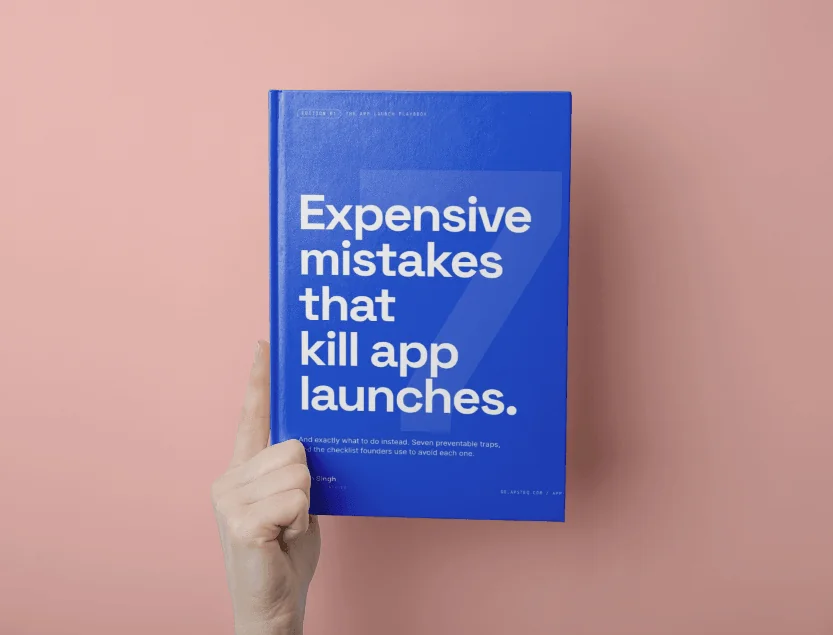
Free download
7 Expensive Mistakes That Kill App Launches
The launch errors we see most often across 300+ app engagements, and what to do instead.
Get the Free Ebook Browse all free guides