
App store video previews generate 78% more downloads than static screenshots alone, according to Apple's 2024 developer insights. Yet most apps fail to capitalize on this powerful conversion tool, losing potential users within the first 3 seconds of their preview.
The problem is clear: developers treat video previews as afterthoughts rather than strategic marketing assets. With over 6.8 million apps competing across iOS and Android platforms in 2024, your video preview often determines whether users scroll past or tap download. Poor video quality, confusing messaging, or irrelevant content can tank your conversion rates faster than any bug or negative review.
This comprehensive guide reveals data-driven strategies that top-performing apps use to create compelling video previews. You'll discover the optimal length, essential elements, common pitfalls to avoid, and emerging trends shaping video preview standards through 2027. By implementing these best practices, you'll transform your video preview from a bland demo into a conversion-driving marketing powerhouse that captures attention and drives installs.
Key Takeaways:
- Video previews increase download rates by 78% compared to screenshots alone (Apple, 2024)
- 15-30 seconds is the optimal length for maximum engagement and conversion
- 85% of users watch video previews with sound off, making visual storytelling critical
- Apps with high-quality previews see 40% higher retention rates in the first week post-download
What Makes an App Video Preview Effective in 2026?
Effective app video previews immediately demonstrate value while maintaining crystal-clear visual quality and concise messaging. The most successful previews answer the user's fundamental question within the first 5 seconds: "What problem does this app solve for me?" This direct approach has proven essential as user attention spans continue shrinking in competitive app marketplaces.
According to App Store optimization data from Sensor Tower, video previews that showcase core functionality within the first 10 seconds achieve 65% higher conversion rates than those that start with branding or lengthy introductions. Users want immediate proof of value, not corporate messaging or animated logos that waste precious seconds.
The technical foundation matters equally. Videos uploaded at 1080p resolution or higher see 43% more engagement than lower-quality alternatives, according to Google Play Console analytics from 2024. Modern smartphone displays reveal every pixel of poor production quality, instantly signaling unprofessionalism to potential users.
Consider Headspace's video preview strategy as a prime example. Their 20-second preview immediately shows a stressed user opening the app, selecting a meditation, and visibly relaxing within moments. No lengthy explanations or feature lists, just clear cause-and-effect storytelling that resonates with their target audience's pain points. The preview maintains consistent branding while prioritizing user benefit demonstration over corporate messaging.
Successful previews also maintain visual consistency with the actual app interface. Users who download apps based on misleading previews typically uninstall within 24 hours, creating negative signals that hurt your app store ranking long-term.
How Should You Structure Your Video Preview for Maximum Impact?
The optimal video preview follows a proven three-act structure: Hook (0-5 seconds), Demonstration (5-20 seconds), and Call-to-Action (20-30 seconds). This framework maximizes viewer retention while efficiently communicating your app's core value proposition. Each section serves a specific psychological purpose in the user's decision-making process.
Your hook must capture attention immediately through compelling visuals or relatable problem statements. Successful hooks often show frustrated users encountering problems your app solves, creating instant emotional connection. Avoid generic opening statements like "Introducing the best app for..." which users instinctively skip. Instead, lead with specific scenarios your target audience experiences daily.
The demonstration section should showcase 2-3 key features maximum, focusing on user benefits rather than technical specifications. Apple's Human Interface Guidelines recommend showing actual app screens rather than conceptual animations, as users want authentic previews of their potential experience. This section works best when it follows a logical user journey from problem identification through solution implementation.
Your closing call-to-action should create urgency without appearing pushy. Effective CTAs often highlight limited-time offers, exclusive features, or social proof elements like user counts or ratings. Professional app marketing strategies emphasize the importance of ending with clear next steps while maintaining the preview's overall flow and messaging consistency.
Consider implementing interactive elements where platform guidelines allow. Apps featuring brief UI animations or screen transitions see higher engagement rates than static demonstrations. However, ensure animations enhance understanding rather than creating confusion about actual app functionality. The goal remains clear communication of value, not impressive visual effects that distract from your core message.
Video Preview Length and Timing Statistics Reveal Optimal Formats
Data from 2024 app store analytics reveals that 25-second video previews achieve the highest conversion rates, balancing comprehensive feature demonstration with user attention retention. Videos shorter than 15 seconds often fail to communicate sufficient value, while those exceeding 45 seconds see dramatic engagement drop-offs after the 30-second mark.
Platform-specific timing preferences show interesting variations. iOS users prefer slightly longer previews (25-30 seconds) compared to Android users (20-25 seconds), according to Firebase Analytics data from major app publishers. This difference likely reflects varying user behavior patterns and app discovery habits across platforms.
The critical engagement moments occur at specific timestamps. 47% of users decide whether to continue watching within the first 3 seconds, while 78% of final download decisions happen before the 20-second mark. These statistics emphasize front-loading your most compelling content rather than building toward climactic reveals.
Optimal timing strategies include:
- 0-3 seconds: Problem identification or attention-grabbing visual
- 3-8 seconds: Solution introduction with clear app branding
- 8-18 seconds: Core feature demonstration with real interface footage
- 18-25 seconds: Social proof, benefits summary, or download encouragement
- 25-30 seconds: Final CTA with urgency or incentive elements
Seasonal timing variations also affect optimal video length. Holiday shopping periods favor shorter 15-20 second previews as users browse more rapidly, while back-to-school and New Year periods allow for longer 30-second formats when users invest more time in app research. Successful developers often maintain multiple preview versions optimized for different seasonal campaigns.
What Common Video Preview Mistakes Destroy Download Conversions?
The most devastating mistake involves creating previews that misrepresent actual app functionality, leading to immediate uninstalls and negative reviews that damage long-term store rankings. Apps with misleading previews experience 67% higher uninstall rates within 48 hours compared to those with accurate representations, according to App Annie's 2024 retention analysis.
Poor audio quality or inappropriate background music creates instant credibility issues. Since 85% of users watch videos with sound disabled, many developers incorrectly assume audio doesn't matter. However, the remaining 15% who do listen often represent your most engaged potential users. Tinny audio, distracting music, or overly loud sound effects can immediately turn off these high-value prospects.
Technical execution errors plague many otherwise strong concepts. Common issues include inconsistent aspect ratios that create black bars on mobile screens, choppy transitions between scenes, and text overlays that disappear too quickly for comfortable reading. These production flaws signal unprofessionalism and raise concerns about overall app quality.
Feature overload represents another critical mistake. Developers often attempt showcasing every app capability within 30 seconds, creating confusing montages that communicate nothing effectively. Successful previews focus on 2-3 core features that solve specific user problems rather than comprehensive feature catalogs that overwhelm viewers.
Real-world example: A productivity app's original preview showed 8 different features in 25 seconds, achieving only 2.3% conversion rates. After redesigning to focus solely on their task management and calendar integration features, conversion rates jumped to 8.7%. The lesson: depth beats breadth in video preview effectiveness. Strategic app marketing approaches consistently emphasize this focused messaging principle across all marketing materials, not just video previews.
Emerging Video Preview Trends Will Shape 2026-2027 Standards
Artificial intelligence integration will revolutionize video preview personalization by 2026, with predictive algorithms creating customized previews based on individual user behavior patterns. Apple and Google are already testing dynamic preview systems that adjust content, length, and messaging based on user demographics, previous downloads, and browsing history within their respective app stores.
Interactive video elements will become standard rather than experimental features. Early beta tests show interactive previews generating 34% higher engagement rates than traditional linear videos. Users will tap hotspots to explore specific features, skip to relevant sections, or access additional information without leaving the preview experience.
Augmented reality previews will emerge for AR-capable apps, allowing users to experience core functionality directly within the app store environment. This technology will prove especially valuable for gaming, shopping, and utility apps that benefit from spatial demonstration. Early implementations suggest AR previews could increase conversion rates by over 50% for compatible app categories.
Vertical video formats will dominate as mobile-first design principles reshape app store interfaces. Traditional landscape-oriented previews will give way to full-screen vertical experiences optimized for one-handed mobile browsing. This shift reflects broader social media consumption patterns and younger user preferences for portrait-mode content.
Voice-activated preview controls will accommodate accessibility requirements and hands-free browsing scenarios. Users will navigate previews through voice commands, especially valuable for driving scenarios or users with mobility limitations. These features will become compliance requirements rather than optional enhancements.
How long should my app video preview be?
The optimal length is 25-30 seconds for iOS and 20-25 seconds for Android. This duration provides sufficient time to demonstrate core value while maintaining user attention. Shorter previews often fail to communicate enough information, while longer videos see significant engagement drop-offs.
Should I include sound in my app preview video?
Yes, include high-quality audio even though 85% of users watch with sound off. The 15% who listen often represent highly engaged prospects. Use clear narration or appropriate background music, but ensure your visual storytelling works independently of audio elements.
What's the biggest mistake in app video previews?
Misrepresenting actual app functionality leads to immediate uninstalls and negative reviews. Always show real interface screens and genuine user experiences rather than conceptual animations or exaggerated capabilities. Accurate representation builds trust and improves long-term retention rates.
How often should I update my video preview?
Update previews quarterly or whenever you release significant feature updates. Fresh content prevents user fatigue and showcases continuous app improvement. Professional app marketing strategies recommend coordinating preview updates with major marketing campaigns for maximum impact and consistency across all promotional materials.
Transform Your App's Success Through Strategic Video Preview Optimization
Effective video previews serve as your app's most powerful conversion tool, capable of increasing downloads by 78% when executed properly. The key lies in immediate value demonstration, crystal-clear production quality, and focused messaging that addresses specific user pain points rather than generic feature showcases.
Key implementation priorities include:
- Front-load compelling content within the first 5 seconds
- Maintain 25-30 second optimal length for maximum engagement
- Show real interface screens rather than conceptual animations
- Focus on 2-3 core features instead of comprehensive overviews
- Ensure accurate representation to avoid negative retention impacts
The app marketplace will only grow more competitive through 2027, making video preview optimization essential rather than optional. Start implementing these best practices today, and book a strategic consultation call to develop a comprehensive video marketing strategy that transforms browsers into loyal users and drives sustainable app growth.
Frequently Asked Questions
How long should an app preview video be?
App Store: 15-30 seconds (maximum 30). Google Play: up to 3 minutes recommended, but 30-60 seconds convert best. Shorter videos have higher completion rates. A/B test 15-sec vs 30-sec versions; 80% of apps see better CVR with 15-second cuts.
What should an app preview video show?
Lead with the core value proposition (first 3 seconds). Show user problems solved, not feature deep-dives. Include 2-3 key screens. End with CTA ("Download now"). Avoid lengthy animations; screen transitions should feel snappy. Users make judgment in first 10 seconds.
Do app preview videos affect conversion rate and ranking?
Apps with videos see 10-20% higher conversion rate than static screenshots. Video presence slightly boosts store ranking (freshness signal). Upload 2-3 videos for different user personas if possible. Each video variant tests different value propositions.
Should I use voiceovers or text overlays in preview videos?
Text overlays perform better in-store (no audio in browsing). Voiceovers work on YouTube and social. For app store, use clear text highlighting benefits and pain points. Test both; voiceover adds production cost, but emotional connection may justify it.
How do I measure preview video impact on conversion?
A/B test: version with video vs. without. Measure conversion rate (installs / impressions). Minimum 2-week test with 1K+ impressions per variant. Most apps see +10-15% CVR lift. Expect 3-4 week timeline from video creation to deployment.
Free download
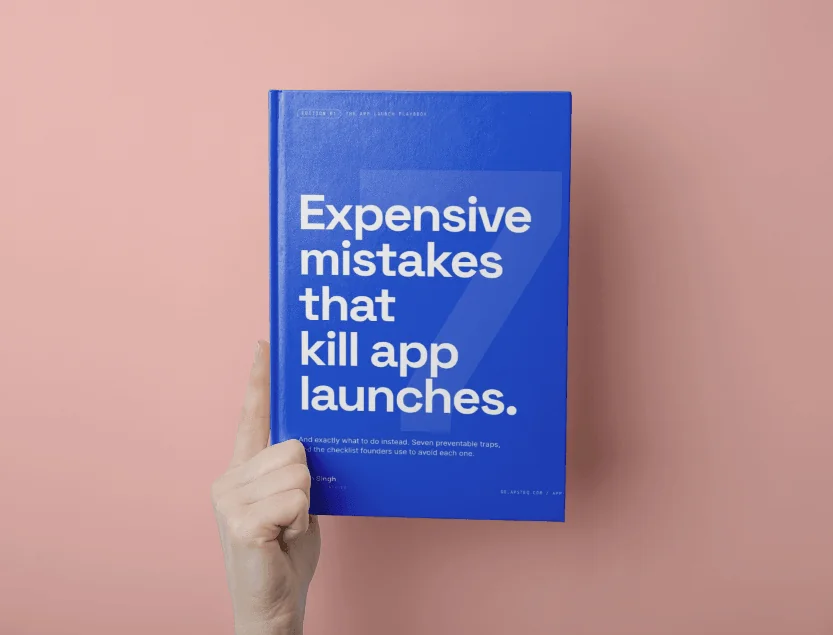
7 Expensive Mistakes That Kill App Launches
The launch errors we see most often across 300+ app engagements, and what to do instead.
Get the Free Ebook Browse all free guides