
Why Dental Content Marketing in India Is the Growth Lever Most Practices Are Ignoring
Here is a number that should stop every dental practice owner in their tracks: India has over 300,000 registered dentists competing for patients in an increasingly digital marketplace, yet fewer than 20% of dental clinics maintain any consistent online content presence (Dental Economics 2024). The gap between clinics that publish helpful, searchable content and those that rely solely on word-of-mouth is widening fast. If your practice sits in that silent majority, you are handing new patients directly to competitors who simply show up online when people search "best dentist near me" or "tooth pain treatment cost in India." This post will show you exactly how dental content marketing works in the Indian context, what strategies drive real patient appointments, which mistakes drain budgets without results, and what trends will shape 2026 and 2027 so your clinic stays ahead.
Key Takeaways Before You Read On
- Indian patients conduct over 68% of healthcare searches on mobile devices before booking any appointment (Statista 2024), making mobile-optimized content non-negotiable.
- Dental practices using educational blog content report 55% lower patient acquisition costs compared to paid-ads-only strategies (Software Advice 2024).
- Video content explaining procedures drives 3x higher engagement on social platforms among Indian dental audiences compared to static image posts (Dental Economics 2024).
- Clinics that publish consistent content see new patient inquiries increase by an average of 40% within six months of launching a structured content program (Software Advice 2024).
What Exactly Is Dental Content Marketing and Why Does It Matter for Indian Clinics?
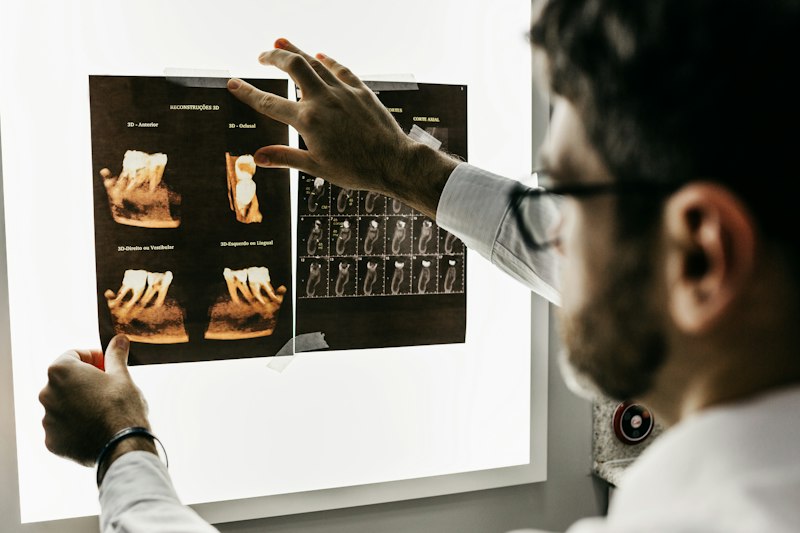
Dental content marketing is the practice of creating and distributing helpful, relevant information, such as blog posts, videos, social media guides, and FAQs, that attracts prospective patients and builds trust before they ever call your front desk. For Indian dental clinics specifically, it matters because the patient journey has fundamentally changed: people no longer ask a neighbor for a dentist recommendation first. They Google symptoms, watch YouTube videos about root canal procedures, and read patient reviews before making any contact.
Consider the numbers. Patient acquisition costs in dental average $250 to $450 per new patient through paid advertising alone (Software Advice 2024). Content marketing, by contrast, builds compounding organic traffic that continues delivering inquiries long after the content is published, dramatically lowering that cost per acquisition over time. In India's price-sensitive market, that efficiency advantage is enormous for mid-size and independent clinics that cannot outspend corporate dental chains on Google Ads.
A concrete example illustrates this well. A multispecialty dental clinic in Pune began publishing two educational blog posts per month in early 2023, covering topics like "how much does a dental implant cost in Pune" and "signs you need a root canal." Within eight months, their website traffic from organic search tripled, and appointment inquiries from first-time patients grew by 35% without any increase in their paid advertising spend. The content answered questions patients were already asking; the clinic simply made sure it was their website providing those answers.
The Indian dental market also has a trust problem that content directly solves. Many patients delay treatment because they fear being oversold procedures they do not need. Educational content that explains treatment options transparently, including costs and timelines, positions your clinic as an honest advisor rather than a sales machine. That trust, built through consistent content, converts significantly better than any promotional ad. Patients who arrive having read your blog or watched your explainer video already believe in your expertise. They ask fewer objections, accept treatment plans more readily, and refer others more actively.
Content marketing also works differently across India's diverse urban and semi-urban markets. A clinic in Tier 1 cities like Mumbai or Bengaluru competes on sophistication and specialization, so content about cosmetic dentistry, invisible aligners, and dental tourism serves well. Clinics in Tier 2 cities like Jaipur or Coimbatore benefit more from content addressing affordability, payment plans, and what to expect during common procedures. Matching content topics to your city's patient mindset is step one of any effective strategy.
How Should Indian Dental Practices Build a Content Marketing Strategy That Actually Works?
Building a dental content marketing strategy that generates consistent patient inquiries requires a structured, repeatable process, not random social media posting. The following steps give Indian dental practices a clear framework to follow from day one.
Step 1: Define your patient personas. Before writing a single word, identify who you are trying to attract. Are you targeting young professionals seeking cosmetic treatments in a metro city? Parents looking for a pediatric dentist in a suburban area? Senior citizens needing dentures or implants? Each persona has different search behavior, different concerns, and different content preferences. Write these personas down with age ranges, income brackets, and top three dental concerns.
Step 2: Build a keyword list around patient questions. Use free tools like Google Search Console or Google's "People Also Ask" feature to find what questions Indian patients actually type. Terms like "teeth whitening cost in India," "is root canal painful," and "best dental clinic in [city name]" are goldmines. Prioritize keywords with local intent because those searches signal the highest readiness to book an appointment.
Step 3: Create a content calendar with consistent publishing frequency. Two to four pieces of content per month is realistic for most independent clinics. Consistency matters more than volume. Google rewards sites that publish regularly, and patients who find helpful content one month are more likely to return. Mix blog posts, short videos filmed in your clinic, and patient education posts on Instagram or Facebook.
Step 4: Optimize every piece for search engines AND for humans. Include your target keyword in the title, first paragraph, and subheadings. But never sacrifice readability for keyword density. Indian patients reading on mobile need short paragraphs, clear language, and visible headings. Pages that are hard to read on a phone will lose visitors within seconds.
Step 5: Convert readers into appointments. Every blog post and video should include a clear next step: "Book a free consultation," "Call us today," or "WhatsApp us your X-ray for a second opinion." Indian patients heavily use WhatsApp for clinic communication, so including a direct WhatsApp link in your content dramatically increases conversion rates compared to generic contact forms.
For practices that want professional guidance on building this entire system, ApsteQ's dental marketing services offer end-to-end content strategy, keyword research, and content production tailored specifically to Indian dental markets. Getting the foundation right from the start saves months of trial and error.
The Data Behind Dental Content Marketing Performance in India
The performance data for dental content marketing in India tells a compelling story: clinics that invest in educational content consistently outperform those that rely exclusively on paid traffic or offline referrals. Understanding the specific numbers helps practice owners allocate budgets intelligently rather than guessing.
Organic search drives the majority of dental appointment bookings. Studies show that over 77% of patients search online before visiting a healthcare provider (Statista 2024), and dental is no exception in India. When a patient searches "wisdom tooth removal cost Hyderabad," the clinic whose content appears at the top of that result earns the inquiry without paying per click.
Here are the most important performance indicators dental practices should track:
- Organic website traffic growth: Clinics with active content programs see an average organic traffic increase of 40 to 60% within 12 months of consistent publishing (Software Advice 2024).
- Time-on-site and page depth: Educational content keeps visitors on the website longer, which signals quality to Google and increases the likelihood of booking. Target an average session duration above 2 minutes.
- Local search ranking positions: Content optimized for city-specific terms directly improves Google Maps visibility, which drives foot traffic for neighborhood clinics.
- Conversion rate from organic visitors: Organic visitors who arrive through educational content convert to appointment inquiries at 2 to 3 times the rate of paid ad visitors because they arrive with pre-existing trust (Dental Economics 2024).
- Patient retention contribution: Clinics that send patients monthly educational email newsletters report 28% higher patient retention rates than those with no post-visit communication (Patterson Dental research 2024).
Social media content performance also deserves specific attention in the Indian context. Instagram and YouTube are the dominant platforms for dental content discovery among patients aged 18 to 45. Short-form videos showing before-and-after smile transformations, "day in the life of a dentist" content, and procedure explainers consistently reach audiences far beyond the clinic's existing follower base through algorithmic distribution. Video content in particular generates 3x more engagement than static posts on these platforms among Indian dental audiences (Dental Economics 2024).
WhatsApp Business has also emerged as a powerful content distribution channel unique to India. Clinics sending monthly health tip messages to existing patient contacts report significant improvements in recall appointment rates. This is not mass spam; it is personalized, opted-in health communication that keeps your clinic top-of-mind between visits.
What Costly Mistakes Are Indian Dental Clinics Making With Content Marketing?
Most Indian dental practices that attempt content marketing and abandon it within three months do so because they make predictable, avoidable mistakes. Identifying these mistakes early saves both money and frustration.
Mistake 1: Publishing generic, non-localized content. A blog post titled "Benefits of Dental Implants" that could have been written for any country in the world performs poorly in Indian search results. Indian patients search with local intent. Titles like "Dental Implant Cost in Chennai: What Patients Actually Pay in 2025" rank dramatically better and convert at higher rates. Every piece of content should include city names, pricing context relevant to Indian markets, and references to Indian insurance schemes like Ayushman Bharat where applicable.
Mistake 2: Treating content as a one-time project. Many clinics hire a freelancer to write 10 blog posts, publish them all at once, and then stop. Google rewards consistent publishing. One or two new pieces of high-quality content per month, published regularly for 12 months, outperforms a batch of 20 posts published once and abandoned. Content marketing is a long-term asset, not a campaign with a start and end date.
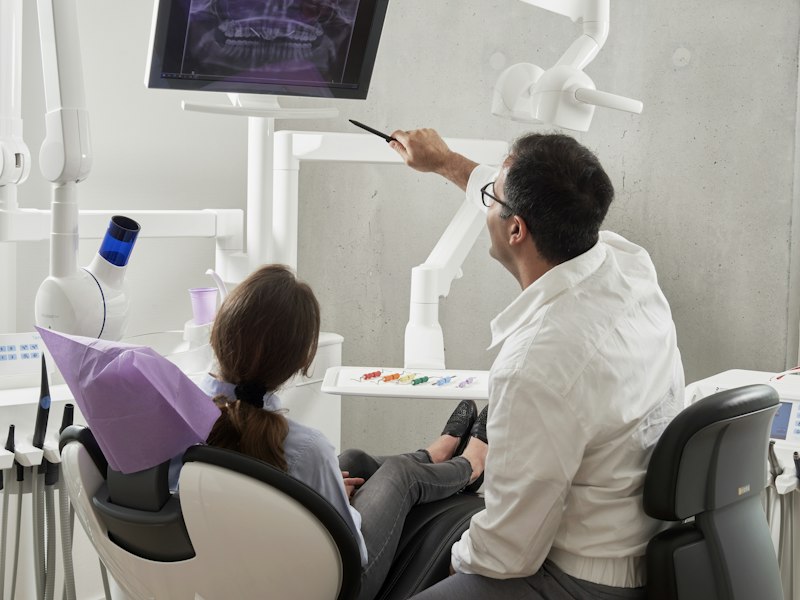
Mistake 3: Ignoring video entirely. In India's mobile-first internet environment, text-only content strategies miss enormous engagement opportunities. Patients who watch a 90-second video of a dentist explaining what to expect during a root canal procedure arrive at appointments significantly less anxious and significantly more informed. Producing video does not require expensive equipment; a modern smartphone, good lighting, and a confident delivery work perfectly for clinic content.
Mistake 4: Not tracking what drives actual appointments. Many clinics measure content success by likes and follower counts rather than appointment bookings. Set up proper tracking using Google Analytics 4 linked to your booking system. Know exactly which blog posts, videos, or social posts generated phone calls and WhatsApp messages. Optimize based on what converts, not what gets the most comments.
Mistake 5: Underestimating the value of patient testimonial content. Indian patients place extraordinary weight on social proof. Video testimonials from real patients, even filmed simply on a phone, outperform professionally produced promotional videos in conversion effectiveness. Clinics that systematically collect and publish patient stories build credibility faster than those relying on polished advertising imagery alone.
Avoiding these mistakes while building a content program from scratch is significantly easier with specialist support. ApsteQ's dental marketing team has helped Indian dental practices sidestep these common traps by implementing data-driven content frameworks built specifically for the Indian patient acquisition landscape.
What Will Dental Content Marketing in India Look Like in 2026 and 2027?
The dental content marketing landscape in India is evolving rapidly, and the clinics positioning themselves now for 2026 and 2027 trends will hold significant competitive advantages. Two major forces are reshaping how patients discover and evaluate dental clinics: artificial intelligence-powered search and hyper-personalized content delivery.
AI-powered search is already changing how patients find dental information. Google's AI Overviews, Perplexity, and ChatGPT are increasingly answering patient questions directly in search results without requiring a click to a website. To remain visible in this environment, dental content must be structured to answer specific questions completely and concisely, use clear headings, and demonstrate genuine expertise. Clinics that produce thorough, well-structured educational content are far more likely to be cited by these AI systems than those with thin, promotional pages.
Vernacular content will become a significant competitive differentiator. India's internet user base is expanding rapidly into regional language markets. Patients searching in Hindi, Tamil, Telugu, Kannada, and Bengali represent an enormous underserved audience. India is projected to have over 900 million internet users by 2025 (Statista 2024), with a significant portion preferring regional language content for healthcare decisions. Clinics that publish educational dental content in regional languages will capture patient segments that English-only competitors cannot reach.
Short-form video on YouTube Shorts, Instagram Reels, and emerging platforms will continue to grow as a primary discovery mechanism, especially for younger patients aged 18 to 35 seeking cosmetic treatments like teeth whitening, veneers, and clear aligners. Content that combines entertainment with education, often called "edutainment," will outperform purely informational formats on these platforms.
AI-assisted content personalization will also allow clinics to serve different website experiences based on visitor behavior, showing implant content to older visitors and orthodontic content to visitors browsing from school areas. These personalization capabilities are becoming accessible to mid-size clinics, not just large corporate chains, making the playing field more competitive and making content quality more important than ever.
Frequently Asked Questions
How much does dental content marketing cost for an Indian clinic?
Monthly budgets for Indian dental clinics typically range from INR 15,000 to INR 80,000 depending on content volume and channels. A basic program covering 2 blog posts per month and social media management starts around INR 20,000 monthly. This is significantly lower than the INR 30,000 to INR 60,000 monthly spend many clinics allocate to Google Ads alone, often with better long-term return (Software Advice 2024).
How long before content marketing produces new patient appointments for a dental clinic?
Most Indian dental clinics see measurable organic traffic growth within 3 to 4 months of consistent content publishing. Appointment inquiries driven by content typically increase noticeably at the 5 to 6 month mark. Social media content can drive inquiries faster, sometimes within weeks, but SEO-driven blog content builds the most sustainable long-term patient pipeline over 12 to 18 months of consistent effort.
What types of content work best for attracting dental patients in India?
The highest-performing content types for Indian dental audiences are procedure cost guides with city-specific pricing, before-and-after smile transformation videos, patient testimonial videos, symptom-based blog posts answering common tooth pain or sensitivity questions, and FAQ pages covering treatment timelines and payment options. Video content consistently outperforms text-only content in engagement metrics, generating roughly 3 times more interaction on Instagram and YouTube (Dental Economics 2024).
Should Indian dental clinics create content in regional languages?
Yes, and this is one of the most underutilized opportunities in Indian dental marketing. With India projected to reach over 900 million internet users (Statista 2024), a growing majority consume content in Hindi, Tamil, Telugu, Kannada, and Bengali. Clinics in non-metro markets especially benefit from publishing key educational pages and social content in the dominant regional language of their city, reaching patient segments competitors entirely ignore. Learn more at ApsteQ dental marketing.
How do Indian dental clinics measure the success of their content marketing?
Success measurement should focus on 4 core metrics: organic website traffic growth month-over-month, keyword ranking positions for city-specific dental terms, the number of phone calls and WhatsApp inquiries attributed to organic or social content, and the percentage of new patients who mention finding the clinic through online search or social media. Tracking these numbers inside Google Analytics 4 and a simple monthly spreadsheet provides sufficient clarity for most independent practices.
Conclusion: Your Dental Practice Deserves More Than Empty Waiting Rooms
Dental content marketing in India is not a luxury reserved for large corporate chains. It is the most cost-effective, sustainable strategy available to independent and multispecialty clinics that want to grow their new patient base without endlessly increasing ad spend. The data is clear, the patient behavior is documented, and the opportunity is significant for clinics willing to act consistently.
- Indian patients research online before booking, making content visibility essential.
- Educational content dramatically reduces patient acquisition costs compared to paid ads alone.
- Local, city-specific content consistently outperforms generic dental information.
- Video, regional language content, and WhatsApp distribution are untapped competitive advantages.
- AI search evolution in 2026 and 2027 will reward well-structured, expert-driven content.
If your clinic is ready to stop relying on inconsistent referrals and build a patient acquisition engine that works continuously, the next step is a focused conversation about your specific market and goals. Book a free strategy call with the ApsteQ dental marketing team today and get a clear, actionable content roadmap built for your clinic's growth.
Free for practice owners
Get a Free Dental Growth Audit
We will review your Google Ads, website, and follow-up system, then show you exactly where new patients are leaking out of your funnel. No commitment.
Take the Free Audit Free dental marketing guides