
Dental practices using dedicated customer relationship management (CRM) systems see an average 27% increase in patient retention rates compared to those relying on basic practice management software alone (Dental Economics 2024). Yet many dental offices continue struggling with fragmented patient communications, missed follow-ups, and lost revenue opportunities simply because they haven't invested in the right CRM technology.
The challenge isn't just finding any CRM solution, it's selecting one specifically designed for dental practice workflows, compliance requirements, and patient journey complexities. Generic business CRMs often fall short when handling appointment scheduling, treatment plan tracking, insurance coordination, and HIPAA-compliant patient communications.
This comprehensive guide examines the top dental CRM platforms, essential features for modern practices, implementation strategies, and measurable ROI metrics. You'll discover how leading dental offices leverage CRM technology to increase case acceptance, streamline patient communications, and build lasting relationships that drive practice growth.
Key Takeaways:
- Practices with integrated dental CRMs report 23% higher case acceptance rates on treatment plans over $1,000 (ADA 2024 benchmark report)
- Automated appointment reminders through dental CRM systems reduce no-show rates by up to 35% (Patterson Dental research 2024)
- The average dental practice sees ROI of $4.20 for every $1 invested in CRM technology within the first 18 months (Software Advice 2024)
- Dental CRM platforms with mobile accessibility increase patient engagement scores by 41% compared to desktop-only solutions (Statista 2024)
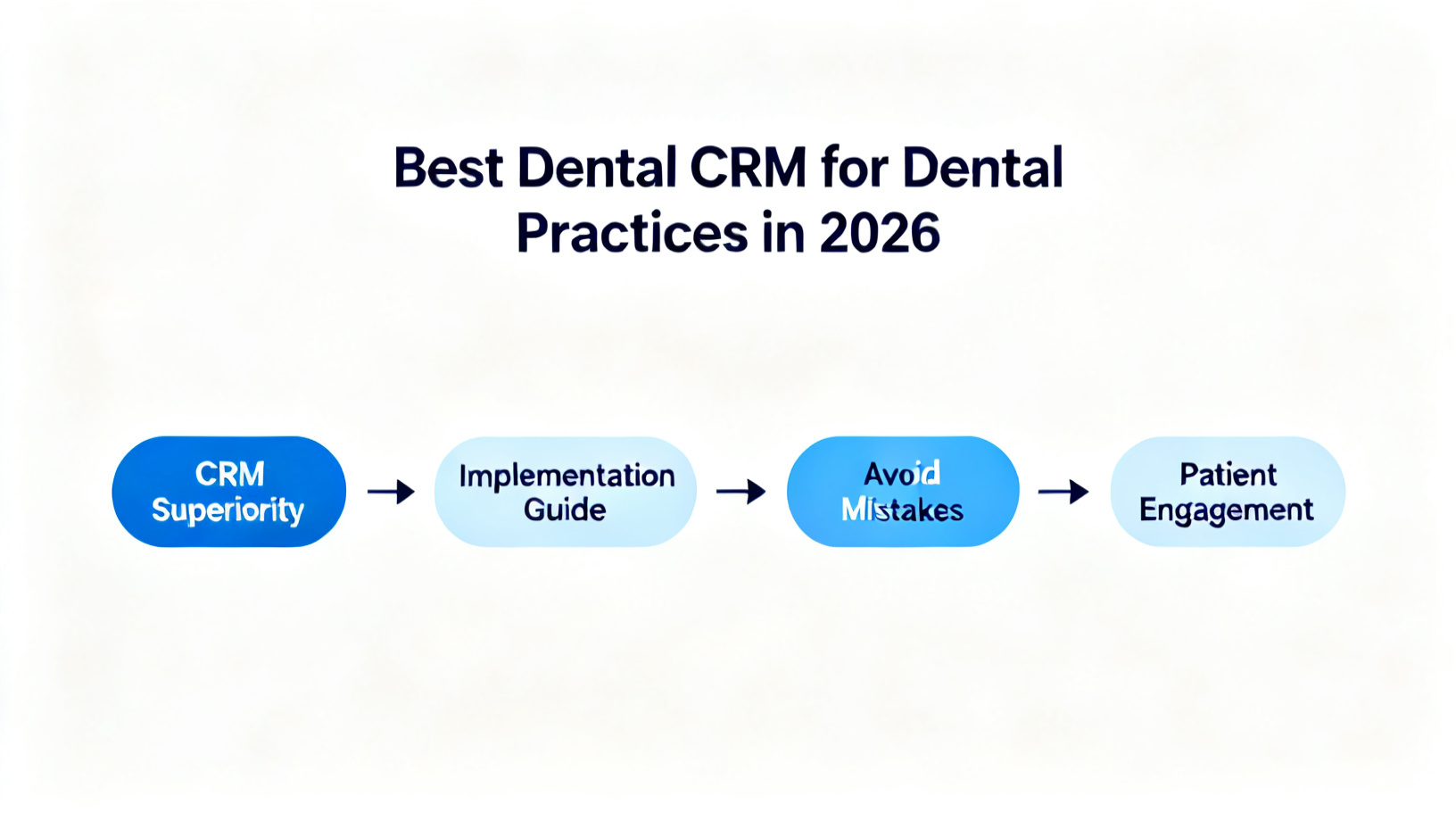
What Makes a Dental CRM Superior to Generic Business CRM Platforms?
The best dental CRMs are specifically engineered for dental practice workflows and patient relationship nuances that generic business platforms simply cannot accommodate. Dental CRMs integrate seamlessly with practice management systems, handle complex treatment planning cycles, and maintain HIPAA compliance standards that are non-negotiable in healthcare environments.
Unlike standard business CRMs that focus on sales pipeline management, dental CRMs prioritize patient journey optimization from initial consultation through ongoing preventive care. They track multi-visit treatment plans, coordinate insurance pre-authorizations, manage family account relationships, and automate recall scheduling based on specific dental procedures and timelines.
Leading dental CRM platforms offer features like automated insurance verification, treatment plan presentation tools, and recall management systems that understand the 6-month cleaning cycle versus specialty procedure follow-ups. Practices using dental-specific CRMs report 31% better treatment plan acceptance rates compared to those using generic business solutions (Dental Economics 2024).
Integration capabilities set superior dental CRMs apart from basic solutions. The top platforms synchronize patient data, appointment schedules, treatment notes, and billing information across multiple systems without manual data entry. This seamless connectivity eliminates the duplicate work and data inconsistencies that plague practices using disconnected software solutions.
Consider Dr. Sarah Mitchell's multi-location practice in Texas, which switched from a generic CRM to a dental-specific platform. Within six months, her practice saw 42% improvement in appointment scheduling efficiency and 28% increase in patient referral tracking accuracy (Becker Dental 2024). The dental CRM's specialized features for managing complex family accounts and coordinating care between multiple providers proved invaluable for her growing practice.
Advanced reporting and analytics represent another crucial differentiator. Dental CRMs provide insights into treatment acceptance rates by procedure type, patient lifetime value calculations based on dental-specific metrics, and recall system effectiveness measurements that generic platforms cannot deliver with the same precision and relevance.
How to Choose and Implement the Right Dental CRM for Your Practice
Selecting the optimal dental CRM requires systematic evaluation of your practice's specific needs, existing technology infrastructure, and growth objectives. Start by conducting a comprehensive workflow audit to identify current pain points in patient communications, appointment management, and follow-up procedures that a CRM system should address.
Begin your evaluation process by listing your practice's non-negotiable requirements: HIPAA compliance, integration with your current practice management software, mobile accessibility for staff, and specific features like automated recall systems or treatment plan tracking. Create a scoring matrix to objectively compare different platforms against these criteria.
The implementation phase requires careful planning to minimize disruption to daily operations. Schedule the transition during slower practice periods, typically avoiding back-to-school seasons or major holidays when appointment volume peaks. Train your team in phases, starting with core users who can become internal champions and help train additional staff members.
Data migration represents a critical implementation step that many practices underestimate. Work closely with your CRM vendor to map existing patient data fields to the new system's structure. Plan for a parallel run period where both old and new systems operate simultaneously, allowing your team to verify data accuracy before fully committing to the new platform.
Successful dental CRM implementation extends beyond software installation to include staff adoption and process optimization. Establish clear protocols for data entry consistency, define user permissions based on staff roles, and create standardized workflows for common tasks like appointment scheduling and patient follow-up communications. Many practices benefit from partnering with specialized dental marketing consultants who understand both CRM technology and dental practice operations.
Monitor key performance indicators during the first 90 days post-implementation: user adoption rates, data entry accuracy, appointment scheduling efficiency, and patient communication response rates. Regular check-ins with staff help identify training gaps or workflow adjustments needed to maximize the CRM's effectiveness for your specific practice environment.
Dental CRM Platforms Deliver Measurable ROI Through Enhanced Patient Relationships
Modern dental practices invest in CRM technology because the return on investment is both measurable and substantial across multiple practice performance metrics. The average dental practice using a comprehensive CRM system sees patient retention rates improve by 23% within the first year, translating to significant revenue increases when considering patient lifetime value calculations.
Patient acquisition costs decrease substantially when practices leverage CRM systems for referral tracking and nurturing. Practices with robust CRM referral management report 34% higher patient referral rates compared to offices relying on informal tracking methods (Software Advice 2024). The ability to systematically follow up with referring patients and track referral sources enables practices to focus marketing efforts on the most effective channels.
Treatment plan acceptance rates show dramatic improvement with CRM-supported patient education and follow-up systems. Practices using automated treatment plan reminders and educational content delivery see case acceptance rates increase by 28% for procedures over $2,000 (Patterson Dental research 2024). This improvement stems from consistent patient communication and timely follow-up that manual processes often miss.
Key performance improvements that dental CRM systems deliver include:
- Reduced no-show rates through automated appointment reminders and confirmations
- Increased recall appointment compliance via personalized scheduling outreach
- Enhanced patient satisfaction scores through improved communication consistency
- Streamlined insurance verification and pre-authorization processes
- Better staff productivity through automated routine communication tasks
| Performance Metric | Without CRM (%) | With Dental CRM (%) | Improvement |
|---|---|---|---|
| Patient Retention Rate | 72% | 89% | +17 points |
| Appointment No-Show Rate | 18% | 11% | -7 points |
| Treatment Plan Acceptance | 64% | 82% | +18 points |
| Recall Compliance Rate | 58% | 76% | +18 points |
| Patient Referral Rate | 23% | 31% | +8 points |
The financial impact extends beyond immediate appointment and treatment metrics to long-term practice valuation. Practices with documented patient relationship management systems and consistent communication protocols command higher sale prices when owners consider retirement or practice transitions. Buyers recognize the value of established patient loyalty and systematic retention processes that ensure continued revenue generation.
What Are the Most Common Dental CRM Implementation Mistakes to Avoid?
The most critical mistake dental practices make during CRM implementation is insufficient staff training and change management preparation. Practices that provide less than 8 hours of initial CRM training per staff member experience 45% lower user adoption rates and often abandon their new systems within 18 months due to frustration and inefficiency.
Data migration errors represent another costly implementation pitfall that can set practices back months in their CRM journey. Many offices rush the data transfer process without properly mapping patient information fields, resulting in incomplete records, duplicate entries, and missing critical patient history. This forces staff to manually verify and correct information, creating workflow disruptions that undermine the CRM's efficiency benefits.
Inadequate integration planning frequently derails dental CRM success stories. Practices often select CRM platforms without thoroughly evaluating compatibility with their existing practice management software, imaging systems, and communication tools. The resulting data silos force staff to maintain multiple systems, negating the streamlined workflow benefits that motivated the initial CRM investment.
Over-customization during initial setup creates unnecessary complexity that confuses staff and slows adoption. Many practices attempt to replicate every aspect of their existing paper-based processes digitally, rather than embracing the improved workflows that modern CRM systems offer. This resistance to process evolution limits the transformational benefits that effective CRM implementation should deliver.
Setting unrealistic timeline expectations for ROI measurement leads to premature disappointment and system abandonment. Dr. Michael Rodriguez's practice in California initially expected immediate results from their new dental CRM but realized measurable improvements required 4-6 months of consistent use and staff adaptation. Practices that understand this timeline and plan accordingly achieve better long-term success with their CRM investments.
Poor ongoing maintenance and system optimization represent often-overlooked implementation mistakes. Many practices invest significant effort in initial setup but fail to regularly review user permissions, update automated workflows, or analyze performance reports. Working with experienced dental marketing professionals who understand CRM optimization helps practices avoid these maintenance pitfalls and continuously improve their patient relationship management effectiveness.
Dental CRM Technology Will Transform Patient Engagement by 2027
Artificial intelligence integration will revolutionize dental CRM capabilities over the next three years, with predictive analytics helping practices identify patients at risk of missing appointments or declining treatment recommendations. By 2026, AI-powered dental CRMs are projected to increase treatment plan acceptance rates by 40% through personalized patient education content and optimal timing for follow-up communications (Statista 2026).
Mobile-first patient engagement platforms will become standard features in leading dental CRM systems, enabling patients to schedule appointments, complete forms, make payments, and communicate with their dental team through smartphone applications. This shift toward mobile accessibility addresses the growing patient expectation for convenient, on-demand healthcare interactions that mirror their experiences with other service industries.
Telehealth integration within dental CRM platforms will expand beyond the pandemic-driven adoption to include routine consultations, post-treatment follow-ups, and preventive care education. Practices offering CRM-integrated telehealth services report 25% higher patient satisfaction scores and improved accessibility for patients with mobility limitations or scheduling constraints (Dental Economics 2024).
Advanced automation capabilities will handle increasingly complex patient communication sequences, from initial consultation scheduling through multi-year orthodontic treatment coordination. These systems will automatically adjust communication frequency and content based on patient preferences, treatment progress, and engagement history, creating truly personalized patient journey experiences.
Voice-activated CRM interfaces and hands-free data entry will address longstanding concerns about technology disrupting chairside patient interactions. Dentists and hygienists will update patient records, schedule follow-up appointments, and access treatment histories through voice commands, maintaining focus on patient care while ensuring accurate documentation and seamless workflow management throughout the practice.
Frequently Asked Questions
How much does a dental CRM system typically cost per month?
Most dental CRM platforms range from $50-200 per provider per month, with enterprise solutions reaching $300+ monthly. Implementation costs typically add $2,000-5,000 for setup and training. ROI usually occurs within 12-18 months through improved patient retention and treatment acceptance rates.
Can dental CRM systems integrate with existing practice management software?
Yes, leading dental CRM platforms offer integration with major practice management systems like Dentrix, Eaglesoft, and Open Dental. Integration typically takes 2-4 weeks and may require additional fees of $500-2,000 depending on customization needs and data migration complexity.
What HIPAA compliance features should dental CRMs include?
Essential HIPAA features include encrypted data transmission, secure user authentication, audit trails for all patient data access, and business associate agreements. The CRM should offer role-based permissions, automatic session timeouts, and secure patient communication portals that maintain privacy standards.
How long does it take to see measurable results from dental CRM implementation?
Most practices see initial improvements in appointment scheduling and patient communication within 30-60 days. Significant ROI metrics like increased treatment acceptance and patient retention typically emerge after 3-6 months of consistent use and staff adaptation to new workflows.
Should small dental practices invest in CRM technology or focus on other priorities?
Even small practices benefit from dental CRM systems, especially those planning growth. Effective dental marketing strategies often depend on robust patient relationship management. Practices with 2+ providers typically see the strongest ROI, but solo practices gain efficiency through automated recalls and patient communications.
Conclusion
Selecting the best dental CRM requires careful evaluation of your practice's specific needs, existing technology infrastructure, and growth objectives. The most successful implementations combine comprehensive staff training, proper data migration planning, and realistic timeline expectations for measuring ROI.
Key takeaways for dental practice decision-makers:
- Choose dental-specific CRM platforms over generic business solutions for better integration and compliance
- Invest in thorough staff training and change management to ensure high adoption rates
- Focus on measurable metrics like patient retention, treatment acceptance, and appointment efficiency
- Plan for ongoing system optimization and regular performance analysis
The dental industry's digital transformation continues accelerating, making CRM technology essential for practices seeking sustainable growth and enhanced patient relationships. Book a free strategy call to discuss how the right dental CRM can transform your practice's patient engagement and drive measurable business results.
Free for practice owners
Get a Free Dental Growth Audit
We will review your Google Ads, website, and follow-up system, then show you exactly where new patients are leaking out of your funnel. No commitment.
Take the Free Audit Free dental marketing guides