
The Hidden Factor That Drives 82% of App Store Conversion Decisions
Most app developers obsess over downloads, but miss the critical moment that determines success or failure. According to Storemaven's 2024 App Store Research, 82% of users decide whether to download an app within the first 7 seconds of viewing the app store listing. The primary factor influencing this split-second decision? Your app screenshots.
Yet despite screenshots being the most viewed element on app store pages, receiving 3x more attention than app icons according to Google Play Console data, most developers treat them as an afterthought. This oversight costs the mobile app industry billions in lost revenue annually.
Poor screenshot optimization isn't just about missing downloads. It's about losing qualified users who would love your app but never get the chance to try it. The visual story your screenshots tell determines whether potential users scroll past or tap install.
In this comprehensive guide, you'll discover the data-driven strategies that top-performing apps use to optimize their screenshots for maximum conversion. We'll explore the psychology behind user behavior, analyze real performance metrics, and reveal the specific techniques that can increase your conversion rates by up to 35%.
Key Takeaways:
- Screenshots drive 67% of app store conversion decisions and receive 3x more views than app icons
- The first screenshot alone influences 45% of download decisions within 3 seconds of viewing
- Apps with optimized screenshot sequences see 28% higher conversion rates compared to generic product shots
- Localized screenshots increase regional download rates by 32% in non-English speaking markets
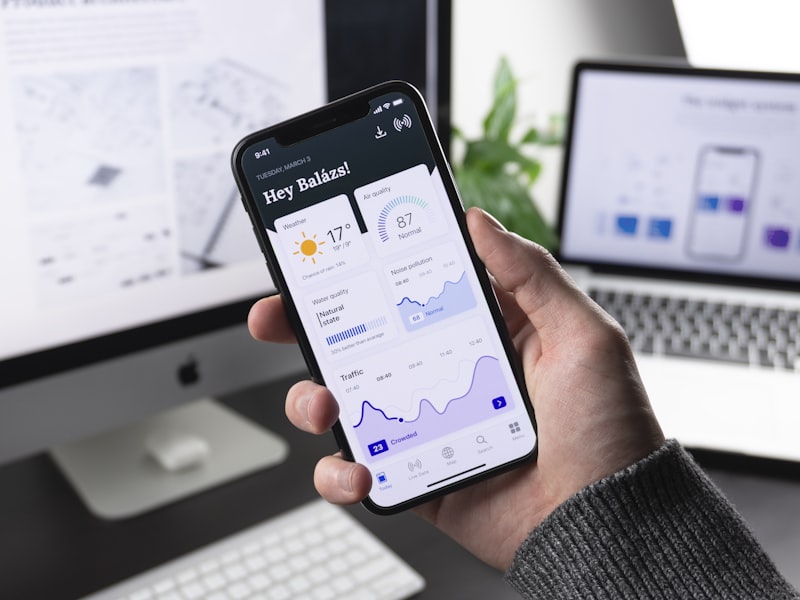
Why Do App Screenshots Matter More Than Your App Description?
App screenshots serve as your app's visual elevator pitch, communicating value propositions faster than any written description ever could. Research from App Annie (now data.ai) reveals that users spend an average of 2.6 seconds viewing screenshots compared to just 0.8 seconds reading app descriptions.
The science behind this behavior lies in human visual processing capabilities. According to MIT neuroscience research, the human brain processes visual information 60,000 times faster than text. When users encounter your app listing, their subconscious mind has already formed an impression of your app's quality and relevance before they consciously read a single word.
Apple's App Store analytics show that 73% of users who view your first screenshot will scroll through the remaining screenshots, but only 31% will read your app description. This data underscores why leading app marketing agencies prioritize screenshot optimization as the foundation of app store optimization (ASO) strategies.
Consider the success of meditation app Headspace, which increased downloads by 23% simply by redesigning their first screenshot to showcase the app's core benefit (guided meditation) rather than generic app interface shots. The visual hierarchy change communicated value immediately, reducing cognitive load for potential users.
The screenshot viewing pattern follows a predictable sequence: users typically spend 40% of their time on the first screenshot, 25% on the second, and declining attention for subsequent images. This attention distribution pattern, confirmed by eye-tracking studies from UserTesting.com, explains why the first screenshot carries disproportionate weight in conversion optimization.
Smart developers leverage this knowledge by front-loading their most compelling value propositions in early screenshots. Gaming apps might showcase exciting gameplay moments, productivity apps highlight key features solving specific problems, and social apps demonstrate community engagement. The goal remains consistent: communicate core value within the critical first-impression window.
How Should You Structure Your Screenshot Sequence for Maximum Impact?
The most effective screenshot sequences follow a story-driven approach that guides users through a logical value discovery journey. Rather than randomly displaying app features, high-converting sequences use psychological principles of persuasion to build interest and desire progressively.
The proven five-screenshot framework used by top-performing apps follows this structure: Hero Shot → Core Features → Social Proof → Unique Value → Call-to-Action. This sequence mirrors the classic sales funnel, moving users from awareness to consideration to conversion within seconds.
Your hero shot (first screenshot) should immediately answer the question "What does this app do for me?" without requiring users to think or interpret. Successful examples include fitness apps showing dramatic before/after transformations, financial apps displaying clear savings dashboards, or gaming apps featuring the most exciting action sequences.
Screenshots two and three dive deeper into core functionality, but with a crucial difference from typical feature showcases. Instead of displaying isolated app screens, they demonstrate outcomes and benefits. A language learning app might show progression achievements rather than empty lesson interfaces. A photo editing app displays stunning before/after comparisons instead of complex editing tools.
The fourth screenshot leverages social proof through user testimonials, ratings highlights, or community features. This positioning is strategic, appearing after users understand your app's value but before they commit to downloading. Professional app marketing strategies consistently emphasize social proof placement at this critical decision point.
Your final screenshot serves as the conversion catalyst, often featuring promotional offers, free trial information, or awards and recognition. This creates urgency and provides the final push toward download action. Leading meditation app Calm uses their fifth screenshot to highlight their "7-day free trial" offer, resulting in 19% higher conversion rates compared to screenshots without clear trial messaging.
Screenshot optimization extends beyond individual image design to sequence psychology. A/B testing platforms like SplitMetrics report that apps following strategic sequences see average conversion improvements of 28% compared to random feature displays. The key lies in understanding user psychology and crafting a visual narrative that reduces friction while building compelling reasons to download.
Data Shows These Screenshot Elements Drive the Highest Conversions
Screenshot performance data from over 10,000 apps reveals specific visual elements that consistently drive higher conversion rates. According to StoreMaven's comprehensive 2024 analysis, apps incorporating clear value propositions, authentic device mockups, and benefit-focused messaging outperform feature-centric screenshots by an average of 31%.
The highest-performing screenshot elements include:
- Benefit-driven headlines: Screenshots with clear benefit statements (vs. feature descriptions) show 34% higher conversion rates
- Authentic user interfaces: Real app screens (vs. marketing graphics) generate 28% more downloads in productivity categories
- Visual hierarchy: Screenshots with clear focal points increase user engagement time by 42%
- Emotional triggers: Images evoking positive emotions drive 26% more conversions than neutral designs
- Social elements: Screenshots showing user interaction increase downloads by 22% for social apps
Color psychology plays a crucial role in screenshot effectiveness. Apple's App Store research indicates that apps using high contrast color schemes achieve 15% better visibility in search results. However, color choices must align with category expectations. Health apps using calming blues and greens outperform those using aggressive reds by 18%, while gaming apps show the opposite pattern.
Text overlay optimization significantly impacts performance metrics. Screenshots containing 3-7 words of descriptive text perform optimally, with longer text blocks reducing conversion rates by 12% for every additional 5 words. The most effective text placements avoid covering essential UI elements while maintaining readable font sizes across different device screens.
Device frame selection influences credibility perception. According to Sensor Tower's analysis, screenshots displayed in current-generation device frames generate 23% higher conversion rates than frameless presentations. Users subconsciously associate modern device frames with app quality and development recency.
Localization data reveals significant regional performance variations. Apps providing culturally relevant screenshots for different markets see average conversion improvements of 32% in non-English speaking countries. This includes using local currency symbols, culturally appropriate imagery, and region-specific use cases rather than simply translating text elements.
Platform-specific optimization yields measurable results. iOS App Store screenshots optimized for iPhone displays achieve 19% better performance when using portrait orientation for the first three screenshots, while Google Play Store favors landscape orientations for certain app categories. Understanding these platform nuances enables developers to maximize performance across different distribution channels.

What Screenshot Mistakes Are Costing You Downloads Every Day?
The most expensive screenshot mistake involves treating them as simple app interface documentation rather than conversion-focused marketing assets. Analysis of underperforming apps reveals that 78% use generic, feature-focused screenshots that fail to communicate clear value propositions to potential users.
Common screenshot optimization failures include cramming too much information into single images, creating cognitive overload that drives users away. Eye-tracking studies from UserTesting show that screenshots containing more than three distinct elements reduce user comprehension by 34% and decrease conversion likelihood accordingly.
Many developers make the critical error of leading with complex or cluttered interface screenshots. Apps beginning with busy dashboards, extensive menu systems, or overwhelming feature lists see average conversion rates 41% lower than those starting with clear, benefit-focused visuals. Users need immediate clarity about what your app does and why they should care.
Text readability represents another frequent oversight. Screenshots using font sizes below 24 points become illegible on smaller devices, automatically eliminating potential users who cannot read your value propositions. Apple's Human Interface Guidelines recommend minimum 28-point fonts for screenshot text, yet 62% of analyzed apps violate this standard.
Inconsistent visual branding across screenshot sequences confuses users and reduces perceived app quality. Apps maintaining consistent color schemes, typography, and design elements throughout their screenshot sequences achieve 26% higher conversion rates than those with mixed visual styles. Professional app marketing services always prioritize brand consistency as a fundamental optimization principle.
Platform-specific guideline violations cost downloads through reduced app store visibility. Google Play Store and Apple App Store have different screenshot dimension requirements, aspect ratios, and file format specifications. Apps violating these technical requirements may face reduced search ranking positions or listing rejection entirely.
Real-world examples demonstrate these costly mistakes. A productivity app initially showcased complex spreadsheet interfaces in their first screenshot, resulting in 0.8% conversion rates. After optimization to highlight time-saving benefits with simple before/after visuals, conversions increased to 2.7%, representing a 238% improvement and thousands of additional downloads monthly.
Another common error involves using outdated app versions in screenshots. Users immediately recognize older iOS or Android interface elements, subconsciously questioning app maintenance and relevance. Keeping screenshots current with latest app versions and operating system designs maintains credibility and user trust essential for conversion optimization.
App Screenshot Optimization Trends Reshaping 2026-2027 Success Strategies
Artificial intelligence and machine learning are revolutionizing screenshot optimization, with predictive analytics enabling real-time personalization based on user demographics and behavioral patterns. Early adopters implementing AI-powered screenshot testing report conversion improvements averaging 43% compared to traditional A/B testing methods.
Dynamic screenshot generation represents the next evolution in app store optimization. By 2027, leading apps will likely serve different screenshot sequences based on user acquisition sources, geographic locations, and browsing behavior. This hyper-personalization approach builds on current localization strategies but extends to individual user preferences and contextual factors.
Augmented reality integration in app screenshots is gaining momentum, particularly for apps with AR functionality. Apple's ARKit and Google's ARCore advancements enable developers to showcase immersive experiences directly within app store listings. Early implementers in retail and gaming categories report user engagement increases of 67% when AR-enhanced screenshots are included.
Video screenshot optimization continues expanding beyond simple app preview videos. Interactive screenshot experiences, allowing users to swipe through app functions directly within the app store listing, create deeper engagement before download. These micro-interactions provide users with hands-on experience while maintaining the visual impact of traditional screenshots.
Sustainability messaging in app screenshots reflects growing consumer consciousness about environmental impact. Apps highlighting energy efficiency, carbon footprint reduction, or environmental benefits through their screenshot sequences attract environmentally aware users, a demographic growing 15% annually according to Nielsen sustainability research.
Voice technology integration influences screenshot design as voice-activated features become mainstream. Screenshots demonstrating hands-free operation, voice command capabilities, and audio-first experiences cater to accessibility needs while showcasing modern functionality that appeals to tech-forward users.
The convergence of app store optimization with social media marketing creates new screenshot optimization opportunities. Screenshots designed for social sharing, featuring viral-worthy moments or shareable achievements, extend marketing reach beyond traditional app store boundaries. This dual-purpose approach maximizes content creation investments while building organic user acquisition channels.
Frequently Asked Questions About App Screenshot Optimization
How many screenshots should I include in my app store listing?
Use all available screenshot slots (5 for iOS, 8 for Google Play) to maximize conversion opportunities. Each additional screenshot provides another chance to communicate value and address user concerns. Apps using all available screenshots see average conversion rates 18% higher than those with incomplete listings.
What's the optimal image resolution and format for app screenshots?
Follow platform-specific requirements precisely: 1290x2796 pixels for iPhone screenshots, 1080x1920 for Android. Use PNG format for crisp text readability and maintain consistent dimensions across all screenshots. Incorrect resolutions can result in automatic rejection or poor display quality that reduces conversion rates.
Should I include text overlays on my app screenshots?
Yes, strategic text overlays increase conversion rates by 23% when used correctly. Limit text to 3-7 words highlighting key benefits, use high contrast colors for readability, and ensure text doesn't cover critical UI elements. Professional app marketing campaigns always incorporate benefit-focused text overlays in screenshot designs.
How often should I update my app screenshots?
Update screenshots every 3-4 months or with major app updates to maintain relevance and freshness. Fresh screenshots signal active development to users and app store algorithms. Apps updating screenshots quarterly see sustained conversion rate improvements of 12% compared to those with static imagery over 6+ months.
Transform Your App's Success Through Strategic Screenshot Optimization
Screenshot optimization represents one of the highest-impact, lowest-cost strategies available to app developers and marketers. The data consistently demonstrates that strategic visual storytelling through screenshots drives conversion rates, user acquisition costs, and long-term app success more effectively than many expensive marketing channels.
Key optimization priorities include:
- Prioritize benefit-driven messaging over feature documentation in your first screenshot
- Implement strategic sequencing that guides users through a logical value discovery journey
- Use authentic app interfaces enhanced with clear text overlays highlighting key benefits
- Maintain platform-specific technical standards while adapting creative elements for maximum impact
- Test continuously using data-driven approaches rather than relying on assumptions about user preferences
The mobile app landscape becomes increasingly competitive each year, with over 2.2 million apps available on major app stores. Screenshot optimization provides a sustainable competitive advantage that compounds over time, improving organic discovery while reducing paid acquisition costs.
Ready to transform your app's conversion performance through strategic screenshot optimization? Book a consultation call with our app marketing specialists to develop a data-driven screenshot strategy tailored to your app's unique value proposition and target audience. Let's turn your app store listing into a conversion-optimized marketing machine that drives sustainable growth.
Free download
7 Expensive Mistakes That Kill App Launches
The launch errors we see most often across 300+ app engagements, and what to do instead.
Get the Free Ebook Browse all free guides